Hernia Treatment
A hernia occurs when an internal organ or tissue pushes through a weak area in the surrounding muscle or connective tissue. Hernias commonly develop in the abdomen or groin and may appear as a visible or noticeable swelling. Treatment depends on the type, size and symptoms of the hernia.
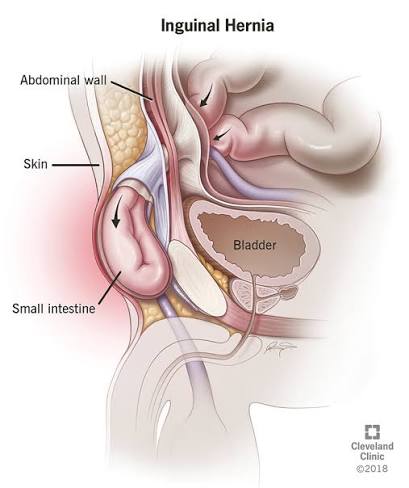
Understanding Hernia
A hernia can develop when there is a weakness in the abdominal wall or surrounding tissue. Increased pressure from coughing, constipation, heavy lifting, obesity or other factors may contribute to the development of a hernia.
Some hernias may cause little or no discomfort, while others can gradually become larger and cause pain or difficulty with daily activities. A surgical evaluation can help determine the most appropriate treatment.
Common symptoms may include:
- A visible or noticeable lump in the abdomen or groin
- Swelling that may become more prominent when standing or coughing
- Pain or discomfort at the site of the hernia
- A feeling of pressure or heaviness
- Discomfort while lifting or exercising
- Burning or aching sensation around the affected area
- Symptoms that may improve when lying down
Hernia Treatment Options
Treatment depends on the type, size, location and symptoms of the hernia. Your surgeon will assess your condition and recommend whether monitoring or surgical repair is appropriate.
Evaluation & Diagnosis
The doctor will examine the affected area and may recommend imaging tests such as an ultrasound or other scans when required to determine the type and extent of the hernia.
Laparoscopic Hernia Repair
Laparoscopic hernia repair is a minimally invasive procedure performed through small abdominal incisions using a camera and specialised surgical instruments. A surgical mesh may be used to reinforce the weakened area.
Open Hernia Repair
Open hernia repair involves making an incision over the affected area and returning the protruding tissue to its proper position. The weakened area is then repaired, often with mesh reinforcement when appropriate.
Recovery & Follow-Up
Recovery depends on the type of hernia and surgical technique used. Patients receive guidance regarding wound care, physical activity, lifting restrictions and follow-up appointments.
When Should You See a Doctor?
Consult a qualified surgeon if you notice a new or enlarging lump in the abdomen or groin, persistent pain, discomfort while lifting or other symptoms suggestive of a hernia.
Sudden severe pain, vomiting, abdominal swelling, or a hernia that becomes hard, very tender or cannot be pushed back requires prompt medical evaluation because it may indicate a complication such as obstruction or strangulation.
Why Choose Specialist Hernia Treatment?
- Detailed evaluation of the hernia
- Identification of the type and location of the hernia
- Personalised treatment planning
- Minimally invasive laparoscopic repair when appropriate
- Open surgical repair when required
- Professional guidance before and after surgery
- Follow-up care during recovery
Need Help With Hernia?
Don't ignore a persistent or growing lump, pain or discomfort.
Speak with our specialist surgical team for proper evaluation and personalised treatment advice.
Need help with hernia?
Take the first step toward
better comfort and care.
Book Consultation
Hydrocele Treatment
A hydrocele is a collection of fluid around the testicle that causes swelling in the scrotum. It is usually painless, but a large hydrocele may cause heaviness, discomfort or difficulty with daily activities. Proper evaluation by a urologist can help determine the cause and the most suitable treatment.
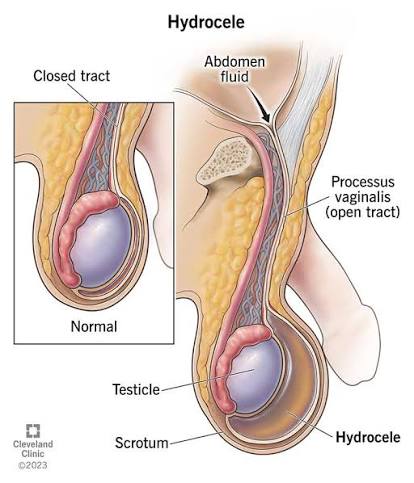
Understanding Hydrocele
A hydrocele develops when fluid collects in the thin sac surrounding the testicle. It may be present from birth or develop later in life. In adults, hydrocele can sometimes be associated with inflammation, infection, injury or other conditions affecting the scrotum.
Small hydroceles that do not cause symptoms may only require observation. However, persistent, large or uncomfortable hydroceles may require treatment after evaluation by a qualified urologist.
Common symptoms may include:
- Painless swelling of one or both sides of the scrotum
- A feeling of heaviness in the scrotum
- Dragging or uncomfortable sensation
- Swelling that may gradually increase in size
- Discomfort during walking or physical activities
- Mild pain or discomfort when the hydrocele becomes large
Hydrocele Treatment Options
Treatment depends on the size of the hydrocele, symptoms, age and underlying cause. Your urologist will evaluate the condition and recommend the most appropriate treatment.
Observation & Monitoring
Small hydroceles that do not cause discomfort may be monitored through regular examinations. In some cases, immediate treatment may not be necessary.
Hydrocelectomy
Hydrocelectomy is a surgical procedure used to treat persistent or symptomatic hydrocele. The accumulated fluid is drained and the surrounding sac is treated to help reduce the possibility of recurrence.
Minimally Invasive Options
In selected cases, other treatment approaches may be considered depending on the patient's age, medical condition and characteristics of the hydrocele. Your urologist will recommend the most suitable option.
Recovery & Follow-Up
After treatment, patients receive guidance regarding wound care, physical activity and recovery. Follow-up visits may be recommended to monitor healing and check for recurrence.
When Should You See a Doctor?
Consult a qualified urologist if you notice persistent or increasing scrotal swelling, heaviness, discomfort or a change in the size or appearance of the testicles.
Sudden or severe testicular pain or swelling requires prompt medical evaluation because it can be caused by conditions that may require urgent treatment.
Why Choose Specialist Hydrocele Treatment?
- Detailed examination of the scrotum and testicles
- Assessment of the size and type of hydrocele
- Evaluation for possible underlying causes
- Personalised treatment planning
- Appropriate surgical treatment when required
- Professional guidance before and after treatment
- Follow-up care during recovery
Need Help With Hydrocele?
Don't ignore persistent scrotal swelling or discomfort.
Speak with our urology team for proper evaluation and personalised treatment advice.
Need help with hydrocele?
Take the first step toward
better urological health and care.
Book Consultation
Varicose Veins Treatment
Varicose veins are enlarged, twisted veins that commonly develop in the legs when blood does not flow properly back toward the heart. They may appear as blue or purple veins beneath the skin and can cause aching, heaviness, swelling, itching or discomfort. Treatment depends on the severity of the condition and the symptoms.
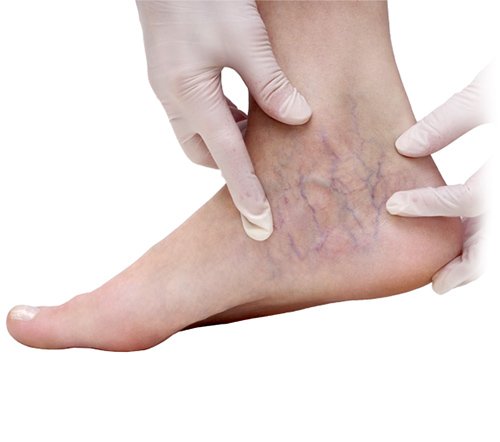
Understanding Varicose Veins
Varicose veins develop when the valves inside the veins do not work effectively, allowing blood to collect in the veins. They are more common in the legs and may become more noticeable after prolonged standing or sitting.
Mild varicose veins may cause little discomfort, while more advanced cases can lead to persistent swelling, skin changes, pain or other complications. A vascular specialist can assess the veins and recommend the most appropriate treatment.
Common symptoms may include:
- Visible enlarged or twisted veins
- Aching or heaviness in the legs
- Swelling around the ankles or lower legs
- Burning, throbbing or discomfort in the legs
- Itching around the affected veins
- Leg cramps, particularly at night
- Skin changes around the ankles in advanced cases
Varicose Veins Treatment Options
Treatment depends on the severity of the varicose veins, symptoms, vein function and overall health. Your vascular specialist will recommend the most suitable treatment after proper evaluation.
Lifestyle & Compression Therapy
Regular physical activity, maintaining a healthy weight, avoiding prolonged standing or sitting and using medically recommended compression stockings may help improve blood flow and reduce symptoms.
Sclerotherapy
Sclerotherapy involves injecting a specialised solution into selected veins to help close them. It may be suitable for certain smaller varicose or spider veins depending on the individual condition.
Endovenous Laser Treatment
Endovenous laser treatment uses controlled laser energy to close an affected vein. It is a minimally invasive procedure that may be recommended for suitable patients with problematic superficial veins.
Radiofrequency Ablation
Radiofrequency ablation uses heat generated by radiofrequency energy to close an affected vein. Blood is then redirected through healthier veins. The procedure may be considered after specialist assessment.
When Should You See a Doctor?
Consult a qualified vascular specialist if you have painful or progressively enlarging varicose veins, persistent leg swelling, skin changes or symptoms that interfere with your daily activities.
Sudden swelling, severe leg pain, warmth or redness may require prompt medical evaluation because these symptoms can sometimes be associated with a blood clot or another condition requiring urgent treatment.
Why Choose Specialist Varicose Veins Treatment?
- Detailed evaluation of your leg symptoms
- Assessment of vein circulation and valve function
- Appropriate ultrasound and diagnostic evaluation
- Personalised treatment planning
- Minimally invasive treatment options when appropriate
- Guidance on lifestyle and compression therapy
- Follow-up care to monitor recovery
Need Help With Varicose Veins?
Don't ignore persistent leg pain, swelling or visible changes in your veins.
Speak with our specialist vascular team for proper evaluation and personalised treatment advice.
Need help with varicose veins?
Take the first step toward
healthier legs and better comfort.
Book Consultation
Pilonidal Sinus Treatment
A pilonidal sinus is a small tunnel or opening in the skin, usually found near the cleft of the buttocks close to the tailbone. It may contain hair, skin debris or fluid and can become infected, causing pain, swelling, redness or discharge. Treatment depends on whether the sinus is uncomplicated, infected or recurrent.
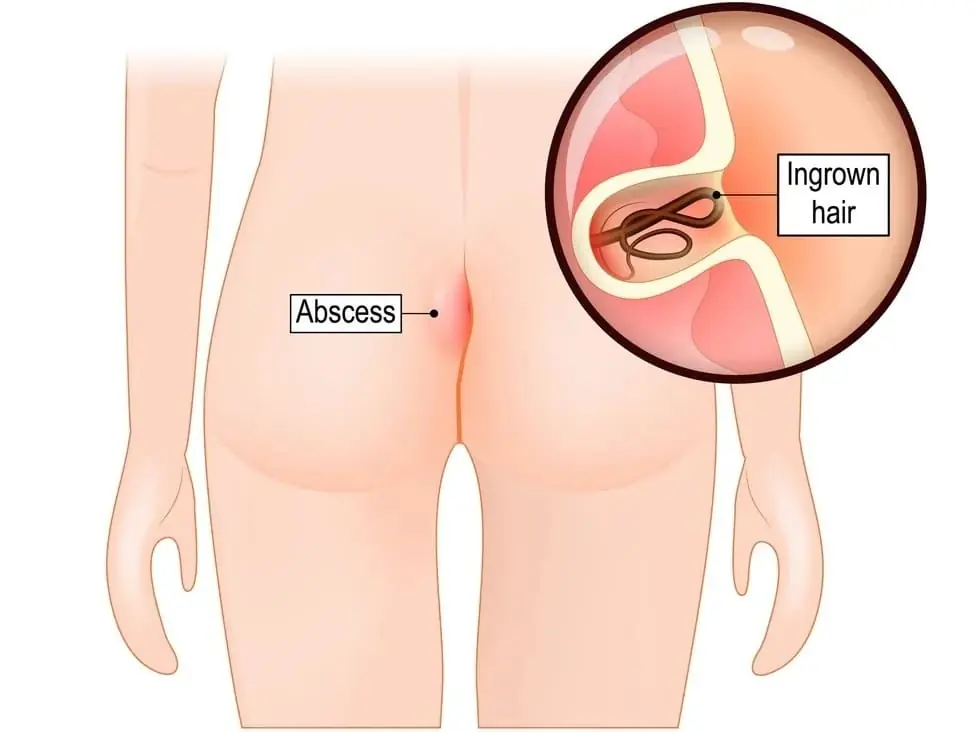
Understanding Pilonidal Sinus
A pilonidal sinus usually develops in the skin and soft tissue near the tailbone. Hair and debris can become trapped under the skin and may lead to the formation of a sinus. Some people may have a pilonidal sinus without symptoms, while others may develop repeated infections or abscesses.
Early evaluation and appropriate treatment can help reduce discomfort and the risk of recurrent infection. The treatment approach depends on the size of the sinus, infection, recurrence and individual circumstances.
Common symptoms may include:
- Pain or tenderness near the tailbone
- Swelling or a small lump in the buttock cleft
- Redness or warmth around the affected area
- Discharge of pus or blood
- Unpleasant-smelling discharge in some cases
- Recurrent swelling or infection
- Difficulty sitting comfortably
- Fever when an abscess or significant infection is present
Pilonidal Sinus Treatment Options
Treatment depends on whether the sinus is infected, persistent or recurrent. Your surgeon will examine the affected area and recommend the most appropriate treatment.
Hygiene & Conservative Care
Keeping the area clean and dry and following appropriate hair and skin-care measures may help reduce irritation and the risk of recurrence in selected cases. Your doctor can provide personalised advice.
Abscess Drainage
If a pilonidal sinus develops a painful abscess, a minor surgical procedure may be required to open and drain the collection of pus. Further treatment may be considered after the acute infection settles.
Minimally Invasive Treatment
Selected patients may be suitable for minimally invasive procedures designed to remove or treat the sinus with smaller wounds. The appropriate technique depends on the size and extent of the disease.
Surgical Treatment
Persistent or recurrent pilonidal sinus may require surgery to remove the sinus and affected tissue. Depending on the condition, the wound may be closed or managed using another appropriate surgical technique.
When Should You See a Doctor?
Consult a qualified surgeon if you notice a painful lump, swelling, recurrent discharge, bleeding or an opening near the tailbone that does not heal.
Severe pain, rapidly increasing swelling, fever or significant pus discharge may indicate an abscess or infection and should be evaluated promptly.
Why Choose Specialist Pilonidal Sinus Treatment?
- Detailed examination of the affected area
- Assessment of infection and sinus extent
- Personalised treatment planning
- Appropriate minimally invasive treatment options
- Surgical treatment for persistent or recurrent disease
- Guidance on wound care and hygiene
- Follow-up care to help reduce recurrence
Need Help With Pilonidal Sinus?
Don't ignore recurring swelling, pain or discharge near the tailbone.
Speak with our specialist surgical team for proper evaluation and personalised treatment advice.
Need help with pilonidal sinus?
Take the first step toward
better comfort and care.
Book Consultation
Varicocele Treatment
A varicocele is an enlargement of the veins within the scrotum, similar to varicose veins in the legs. It most commonly develops on the left side and may cause a dull ache, heaviness, testicular discomfort or fertility-related problems. Some varicoceles may not cause any symptoms and may only be discovered during a medical examination.
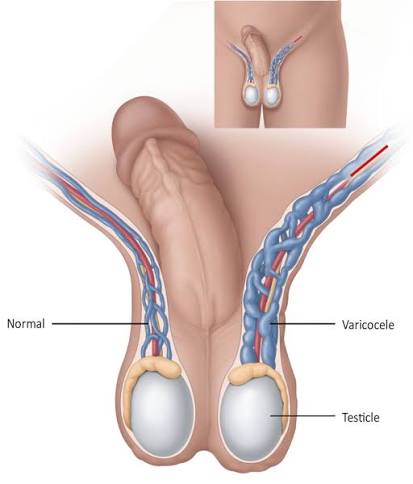
Understanding Varicocele
A varicocele develops when the valves in the veins that carry blood away from the testicle do not function properly. This can cause blood to collect in the veins and make them enlarged or prominent.
Many varicoceles do not require treatment. However, treatment may be considered when there is persistent pain, testicular growth problems or fertility concerns. A urologist can assess the condition and recommend the most appropriate approach.
Common symptoms may include:
- Dull or aching pain in the scrotum
- A feeling of heaviness in the testicle or scrotum
- Visible or enlarged veins in the scrotum
- Discomfort that may increase after standing or physical activity
- Testicular size differences in some cases
- Fertility difficulties in some men
- Many varicoceles may cause no noticeable symptoms
Varicocele Treatment Options
Treatment depends on the symptoms, severity of the varicocele, testicular health and fertility considerations. Your urologist will evaluate the condition and recommend whether monitoring or treatment is appropriate.
Observation & Monitoring
Varicoceles that do not cause significant symptoms or fertility concerns may be monitored through regular examinations. The doctor may recommend follow-up based on the patient's age and individual condition.
Varicocelectomy
Varicocelectomy is a procedure used to close or redirect the enlarged veins while preserving normal blood flow from the testicle. It may be considered for selected patients with persistent pain, testicular changes or fertility concerns.
Microsurgical Treatment
Microsurgical varicocelectomy uses magnification and specialised instruments to identify and treat the affected veins while aiming to preserve important structures such as the testicular artery and lymphatic vessels.
Embolisation
In selected cases, varicocele embolisation may be considered. This minimally invasive procedure blocks the abnormal veins using a catheter so that blood can be redirected through healthier veins.
When Should You See a Doctor?
Consult a qualified urologist if you experience persistent scrotal pain, swelling, enlarged veins, a change in testicular size or fertility concerns.
Sudden or severe testicular pain or swelling requires prompt medical evaluation because it can have causes other than varicocele that may require urgent treatment.
Why Choose Specialist Varicocele Treatment?
- Detailed examination of the scrotum and testicles
- Assessment of the size and severity of the varicocele
- Ultrasound evaluation when required
- Assessment of testicular health and fertility concerns
- Personalised treatment planning
- Microsurgical and minimally invasive treatment options
- Follow-up care after treatment
Need Help With Varicocele?
Don't ignore persistent scrotal discomfort, swelling or fertility concerns.
Speak with our urology team for proper evaluation and personalised treatment advice.
Need help with varicocele?
Take the first step toward
better urological health and care.
Book Consultation