Gallbladder Calculus (Gallstones) Treatment
Gallbladder calculus, commonly known as gallstones, refers to hard deposits that form inside the gallbladder. Some gallstones may not cause any symptoms, while others can block the normal flow of bile and cause abdominal pain, nausea, vomiting or other digestive symptoms. Treatment depends on the size, number and location of the stones and the symptoms they cause.
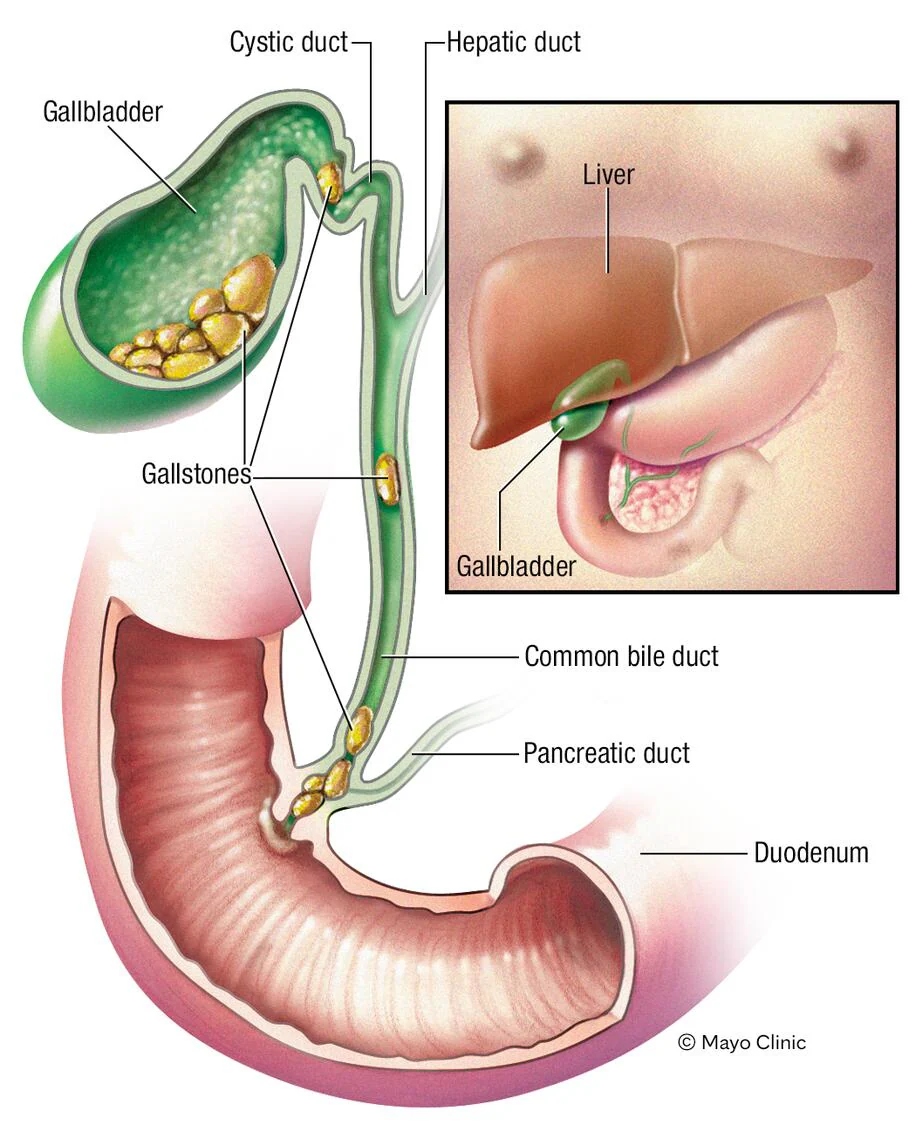
Understanding Gallbladder Calculus
The gallbladder is a small organ located beneath the liver that stores bile, a digestive fluid produced by the liver. Gallstones can develop when substances in bile become imbalanced and form solid deposits. They may vary in size from very small particles to larger stones.
Many people with gallstones do not experience symptoms and may not require treatment. However, stones that cause repeated pain, inflammation, infection or blockage may require evaluation and treatment by a specialist.
Common symptoms may include:
- Pain in the upper right or upper middle abdomen
- Pain that may spread to the back or right shoulder
- Pain after eating, especially after fatty meals
- Nausea or vomiting
- Bloating or indigestion
- Abdominal discomfort or fullness
- Fever or chills when inflammation or infection is present
- Yellowing of the skin or eyes in some cases
Gallbladder Calculus Treatment Options
Treatment depends on whether the gallstones are causing symptoms or complications. Your surgeon may recommend observation for symptom-free stones or surgical treatment for symptomatic or complicated gallstones.
Evaluation & Diagnosis
The doctor may recommend an abdominal ultrasound and blood tests to assess the gallbladder, identify stones and check for signs of inflammation, infection or bile duct blockage.
Laparoscopic Cholecystectomy
Laparoscopic cholecystectomy is a minimally invasive procedure used to remove the gallbladder containing the stones. It is commonly recommended for symptomatic gallstones and certain gallbladder complications.
Minimally Invasive Surgery
Laparoscopic surgery is performed through small abdominal incisions using a camera and specialised instruments. Compared with traditional open surgery, it generally involves smaller incisions and may allow a faster recovery.
Recovery & Follow-Up
After surgery, patients receive guidance regarding diet, wound care, physical activity and recovery. Follow-up may be recommended to monitor healing and address any ongoing symptoms.
When Should You See a Doctor?
Consult a qualified surgeon if you experience repeated upper abdominal pain, especially after meals, nausea, vomiting or other symptoms that may be associated with gallstones.
Severe or persistent abdominal pain, fever or chills, repeated vomiting or yellowing of the skin or eyes requires prompt medical evaluation because these symptoms may indicate complications requiring urgent treatment.
Why Choose Specialist Gallbladder Stone Treatment?
- Detailed evaluation of gallbladder symptoms
- Ultrasound and appropriate diagnostic assessment
- Assessment of stone size and gallbladder condition
- Personalised treatment planning
- Minimally invasive laparoscopic surgery when appropriate
- Professional guidance before and after surgery
- Follow-up care during recovery
Need Help With Gallstones?
Don't ignore recurring abdominal pain or digestive discomfort.
Speak with our specialist surgical team for proper evaluation and personalised treatment advice.
Need help with gallstones?
Take the first step toward
better digestive health and care.
Book Consultation
Hernia Treatment
A hernia occurs when an internal organ or tissue pushes through a weak area in the surrounding muscle or connective tissue. Hernias commonly develop in the abdomen or groin and may appear as a visible or noticeable swelling. Treatment depends on the type, size and symptoms of the hernia.
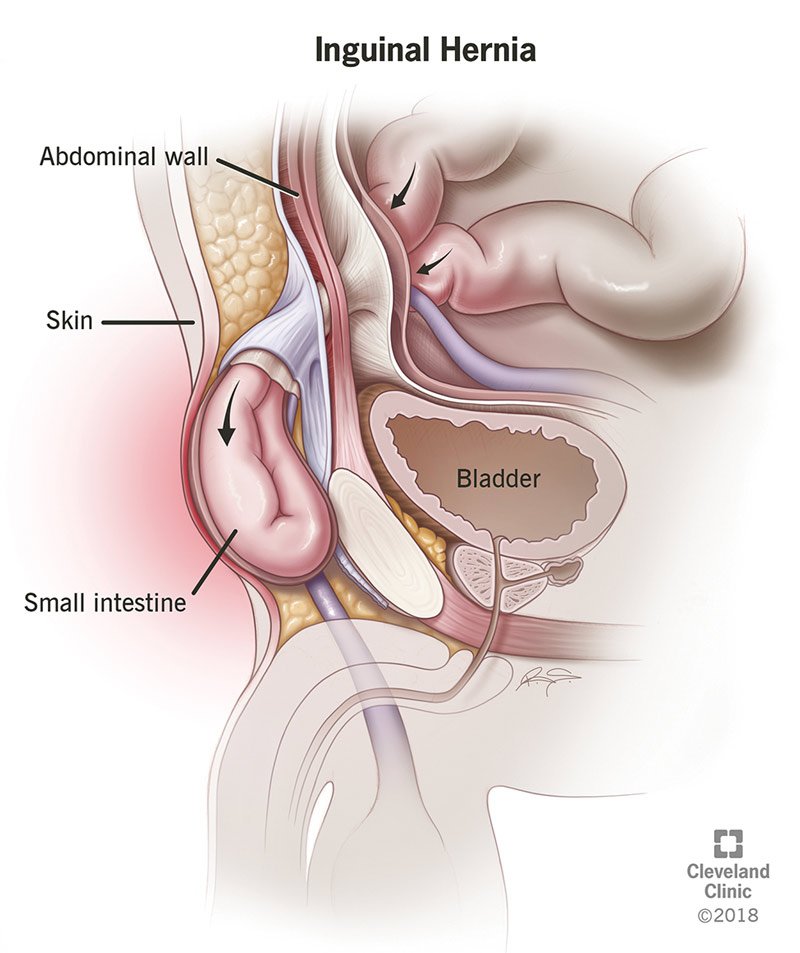
Understanding Hernia
A hernia can develop when there is a weakness in the abdominal wall or surrounding tissue. Increased pressure from coughing, constipation, heavy lifting, obesity or other factors may contribute to the development of a hernia.
Some hernias may cause little or no discomfort, while others can gradually become larger and cause pain or difficulty with daily activities. A surgical evaluation can help determine the most appropriate treatment.
Common symptoms may include:
- A visible or noticeable lump in the abdomen or groin
- Swelling that may become more prominent when standing or coughing
- Pain or discomfort at the site of the hernia
- A feeling of pressure or heaviness
- Discomfort while lifting or exercising
- Burning or aching sensation around the affected area
- Symptoms that may improve when lying down
Hernia Treatment Options
Treatment depends on the type, size, location and symptoms of the hernia. Your surgeon will assess your condition and recommend whether monitoring or surgical repair is appropriate.
Evaluation & Diagnosis
The doctor will examine the affected area and may recommend imaging tests such as an ultrasound or other scans when required to determine the type and extent of the hernia.
Laparoscopic Hernia Repair
Laparoscopic hernia repair is a minimally invasive procedure performed through small abdominal incisions using a camera and specialised surgical instruments. A surgical mesh may be used to reinforce the weakened area.
Open Hernia Repair
Open hernia repair involves making an incision over the affected area and returning the protruding tissue to its proper position. The weakened area is then repaired, often with mesh reinforcement when appropriate.
Recovery & Follow-Up
Recovery depends on the type of hernia and surgical technique used. Patients receive guidance regarding wound care, physical activity, lifting restrictions and follow-up appointments.
When Should You See a Doctor?
Consult a qualified surgeon if you notice a new or enlarging lump in the abdomen or groin, persistent pain, discomfort while lifting or other symptoms suggestive of a hernia.
Sudden severe pain, vomiting, abdominal swelling, or a hernia that becomes hard, very tender or cannot be pushed back requires prompt medical evaluation because it may indicate a complication such as obstruction or strangulation.
Why Choose Specialist Hernia Treatment?
- Detailed evaluation of the hernia
- Identification of the type and location of the hernia
- Personalised treatment planning
- Minimally invasive laparoscopic repair when appropriate
- Open surgical repair when required
- Professional guidance before and after surgery
- Follow-up care during recovery
Need Help With Hernia?
Don't ignore a persistent or growing lump, pain or discomfort.
Speak with our specialist surgical team for proper evaluation and personalised treatment advice.
Need help with hernia?
Take the first step toward
better comfort and care.
Book Consultation
Appendix Treatment
Appendicitis is inflammation of the appendix, a small pouch attached to the large intestine. It can cause pain that often starts around the belly button and may move to the lower right side of the abdomen. Appendicitis can become serious if the appendix ruptures, so timely medical evaluation and treatment are important.
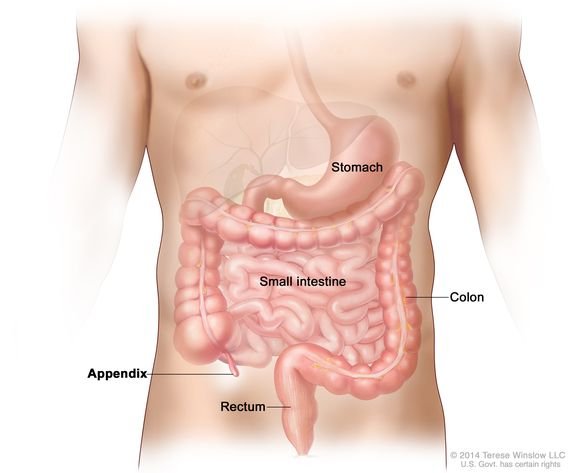
Understanding Appendicitis
Appendicitis usually occurs when the opening of the appendix becomes blocked, leading to inflammation and infection. Symptoms can develop suddenly and may become progressively worse over a short period of time.
Appendicitis generally requires prompt medical assessment. Depending on the individual condition, treatment may involve antibiotics and, in many cases, surgical removal of the appendix.
Common symptoms may include:
- Pain around the belly button that may move to the lower right abdomen
- Increasing abdominal pain
- Nausea or vomiting
- Loss of appetite
- Fever
- Abdominal tenderness or swelling
- Constipation or diarrhoea in some cases
- Pain that may worsen with movement, coughing or walking
Appendix Treatment Options
Treatment depends on the severity of appendicitis and the patient's overall condition. A surgeon will assess the symptoms and diagnostic results before recommending the most appropriate treatment.
Evaluation & Diagnosis
The doctor may perform a physical examination and recommend blood tests, ultrasound or other imaging tests to assess the appendix and determine whether inflammation or infection is present.
Laparoscopic Appendectomy
Laparoscopic appendectomy is a minimally invasive procedure used to remove an inflamed appendix. The surgery is performed through small abdominal incisions using a camera and specialised surgical instruments.
Open Appendectomy
In some situations, an open appendectomy may be recommended. This involves removing the appendix through an abdominal incision and may be considered depending on the severity of infection or other surgical factors.
Recovery & Follow-Up
Recovery depends on the severity of appendicitis and the surgical approach used. Patients receive guidance regarding wound care, diet, physical activity and follow-up after treatment.
When Should You See a Doctor?
Seek medical attention if you develop increasing abdominal pain, particularly pain that moves to the lower right side, along with nausea, vomiting, fever or loss of appetite.
Severe or rapidly worsening abdominal pain, fever, repeated vomiting or abdominal swelling requires prompt medical evaluation because untreated appendicitis can lead to complications such as rupture or infection.
Why Choose Specialist Appendix Treatment?
- Detailed evaluation of abdominal symptoms
- Appropriate diagnostic and imaging assessment
- Prompt treatment planning
- Minimally invasive laparoscopic surgery when appropriate
- Open surgical treatment when required
- Professional guidance before and after surgery
- Follow-up care during recovery
Need Help With Appendix Treatment?
Don't ignore persistent or worsening abdominal pain.
Speak with our specialist surgical team for proper evaluation and timely treatment advice.
Need help with appendix treatment?
Take the first step toward
better health and care.
Book Consultation