Piles Treatment
Piles, also known as haemorrhoids, are swollen blood vessels in and around the anus and lower rectum. They may cause symptoms such as bleeding during bowel movements, itching, swelling, discomfort or pain. The right treatment depends on the type and severity of piles.
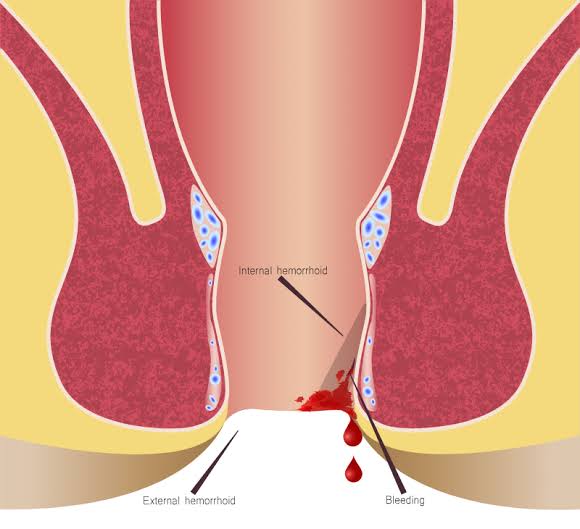
Understanding Piles
Piles can be internal or external. They are commonly associated with constipation, straining during bowel movements, prolonged sitting on the toilet, a low-fibre diet, pregnancy and heavy lifting.
Early symptoms may often improve with simple lifestyle and dietary changes, but persistent bleeding, worsening symptoms or severe pain should be evaluated by a doctor.
Treatment Options
Treatment is selected according to your symptoms and the severity of the condition. Options may include:
+
Lifestyle & Dietary Changes
Increasing fibre, drinking adequate fluids and avoiding straining can help make bowel movements easier and reduce pressure on the veins.
✓
Medicines & Local Treatments
For mild symptoms, a doctor or pharmacist may recommend suitable creams, ointments, suppositories or medicines to help relieve pain, itching and swelling.
+
Minimally Invasive Treatment
When symptoms do not improve with conservative treatment, procedures such as rubber band ligation, sclerotherapy, infrared treatment or electrotherapy may be considered by a specialist.
✓
Surgical Treatment
For large, severe or persistent piles that do not respond to other treatments, surgery such as haemorrhoidectomy or other appropriate procedures may be recommended.
When Should You See a Doctor?
If you have rectal bleeding, persistent symptoms, increasing pain, recurrent piles or symptoms that do not improve with home care, consult a qualified doctor. Rectal bleeding should not automatically be assumed to be caused by piles because other conditions can cause similar symptoms.
Why Choose Specialist Piles Treatment?
- Detailed evaluation of your symptoms
- Diagnosis of internal or external piles
- Personalised treatment planning
- Conservative and minimally invasive treatment options
- Guidance on diet and lifestyle
- Follow-up care when required
CTA Section
Need Relief from Piles?
Don't ignore persistent bleeding, pain or discomfort. Speak with our specialist team and find the right treatment for your condition.
If you have rectal bleeding, persistent symptoms, increasing pain, recurrent piles or symptoms that do not improve with home care, consult a qualified doctor. Rectal bleeding should not automatically be assumed to be caused by piles because other conditions can cause similar symptoms.
Need help with piles?
Speak with our care team and
find the right specialist.
Book Consultation
Anal Fissure Treatment
An anal fissure is a small tear or crack in the skin around the anus. It can cause sharp pain during or after bowel movements, burning, itching and sometimes a small amount of bright-red bleeding. Anal fissures are commonly associated with hard or large stools and constipation.
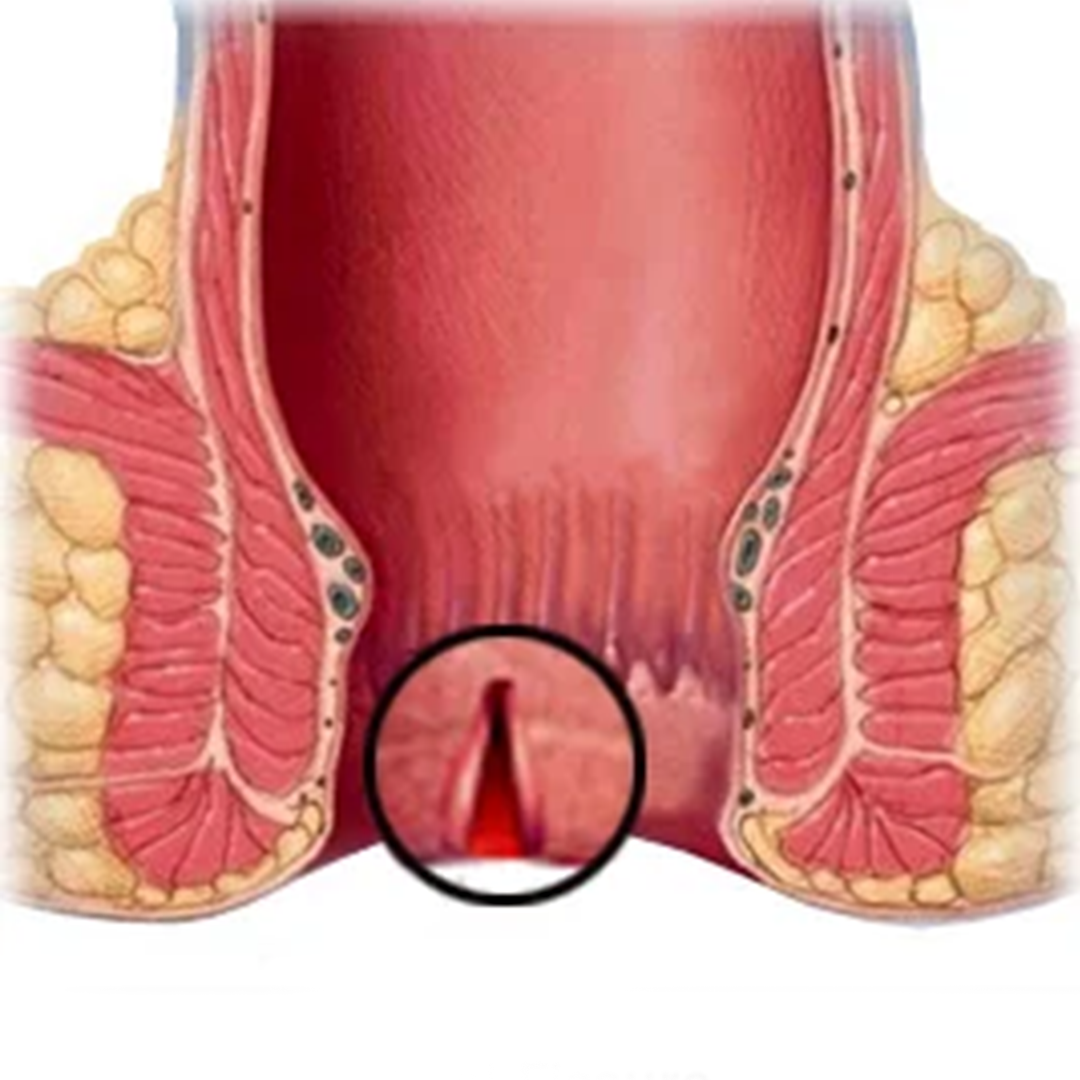
Understanding Anal Fissure
An anal fissure can develop when the anal lining is stretched or injured, often during the passage of hard stools. Some fissures heal with simple measures, while others may become persistent or recurrent and require specialist treatment.
Common symptoms may include:
- Sharp pain during bowel movements
- Burning or discomfort that may continue afterwards
- Bright-red blood on toilet paper or on the surface of the stool
- Itching or irritation around the anus
- A visible small tear or skin tag in some cases
Fissure Treatment Options
Treatment depends on whether the fissure is acute or chronic and on the severity of symptoms.
Dietary & Lifestyle Changes
A fibre-rich diet, adequate fluid intake and avoiding straining can help soften stools and reduce pressure on the anal area.
Medicines & Local Treatment
Doctors may recommend medicines or topical treatments to reduce pain, relax the anal muscles and support healing.
Minimally Invasive Treatment
For fissures that do not heal with conservative treatment, specialist procedures may be considered to relax the anal sphincter and promote healing.
Surgical Treatment
For chronic or treatment-resistant fissures, a surgical procedure such as lateral internal sphincterotomy (LIS) may be recommended after specialist evaluation.
When Should You See a Doctor?
If anal pain or bleeding continues, keeps coming back, or does not improve with simple measures, consult a qualified specialist. Rectal bleeding should be medically evaluated rather than automatically assumed to be caused by a fissure.
Why Choose Specialist Fissure Treatment?
- Detailed evaluation of your symptoms
- Identification of the underlying cause
- Personalised treatment planning
- Medical and minimally invasive treatment options
- Guidance on diet and bowel habits
- Follow-up care when required
Need Help With Anal Fissure?
Don't let pain and discomfort affect your daily life.
Speak with our specialist team for an evaluation and personalised treatment plan.
When Should You See a Doctor?
Take the first step toward better
comfort and care.
Book Consultation
Anal Fistula Treatment
An anal fistula is an abnormal tunnel that develops between the inside of the anus or rectum and the skin around the anus. It often develops following an infection or an anal abscess and may cause pain, swelling, irritation or drainage near the anus. Proper diagnosis is important to determine the most suitable treatment.
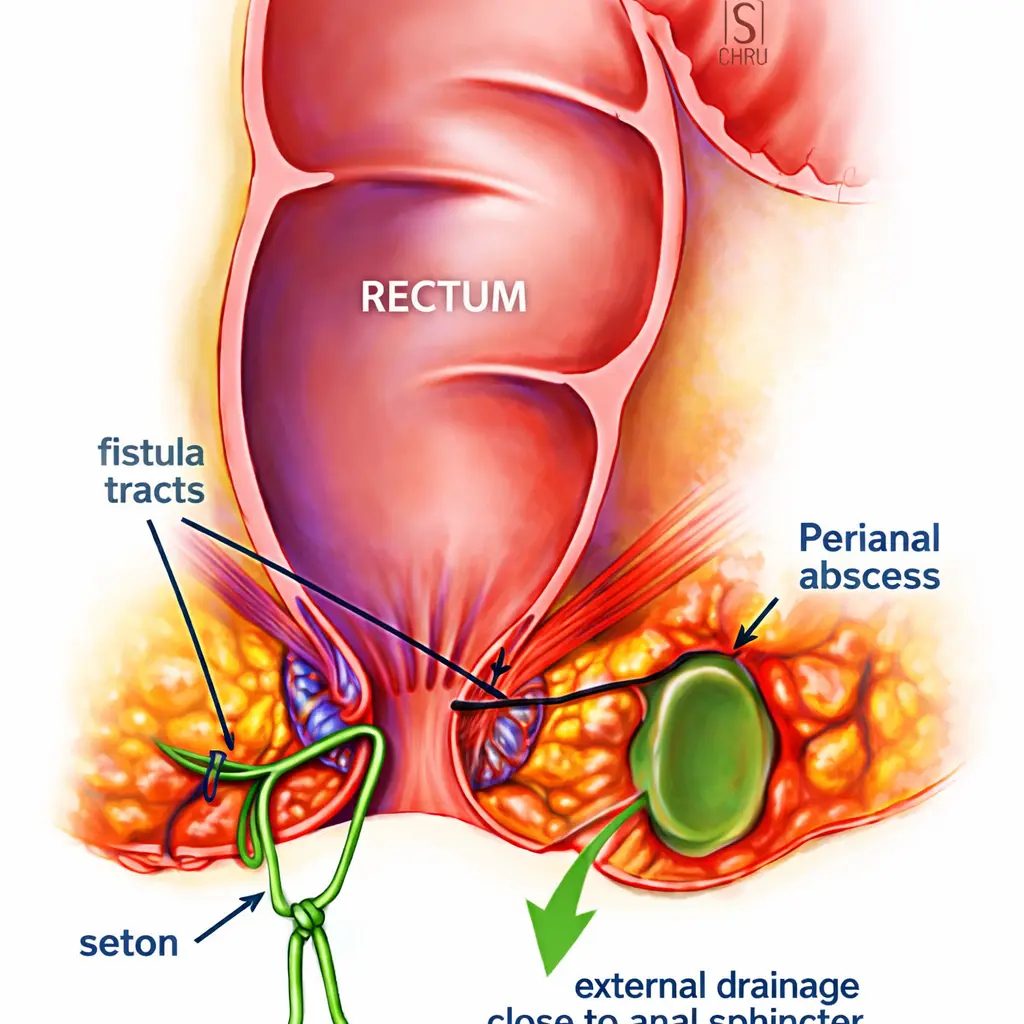
Understanding Anal Fistula
An anal fistula commonly develops when an infected anal gland forms an abscess that does not heal completely. After the abscess drains, a small tunnel may remain between the anal canal and the surrounding skin. Anal fistulas usually require medical evaluation and, in many cases, treatment by a specialist.
Common symptoms may include:
- Pain or discomfort around the anus
- Swelling or tenderness near the anal opening
- Persistent or recurrent discharge from the skin around the anus
- Skin irritation or itching
- Redness around the affected area
- Recurrent anal abscesses
- Fever or feeling unwell if an active infection is present
Fistula Treatment Options
Treatment depends on the location, complexity and extent of the fistula. A specialist evaluation helps determine the safest and most appropriate treatment approach.
Specialist Evaluation
A detailed examination helps identify the fistula opening, its path and whether there is an associated abscess or infection. Additional tests or imaging may be recommended when required.
Fistulotomy
Fistulotomy is a commonly used surgical treatment for suitable anal fistulas. The fistula tract is opened to allow it to heal gradually from the inside out.
Seton Treatment
For certain fistulas, particularly those involving important anal sphincter muscles, a seton may be placed to help drain the area and manage the fistula while protecting sphincter function.
Advanced Fistula Procedures
Depending on the fistula's location and complexity, procedures such as advancement flap, LIFT or other sphincter-preserving techniques may be considered by a specialist.
When Should You See a Doctor?
If you experience persistent pain, swelling, recurrent abscesses, pus or other discharge around the anus, consult a qualified specialist. Early evaluation can help identify the fistula and prevent recurrent infection or complications.
Why Choose Specialist Fistula Treatment?
- Detailed evaluation of the fistula and surrounding area
- Assessment of the fistula's location and complexity
- Personalised treatment planning
- Appropriate surgical and sphincter-preserving options
- Careful management of associated infection or abscess
- Post-treatment follow-up and recovery guidance
Need Help With Anal Fistula?
Don't ignore persistent pain, swelling or discharge around the anus.
Speak with our specialist team for a proper evaluation and personalised treatment plan.
Need help with anal fistula?
Take the first step toward
better comfort and care.
Book Consultation
Rectal Prolapse Treatment
Rectal prolapse occurs when part or all of the rectum slips down through the anal opening. It may cause a feeling of pressure, discomfort, difficulty passing stool, mucus or bleeding, and in some cases tissue may become visible outside the anus. Proper evaluation is important to determine the most suitable treatment.
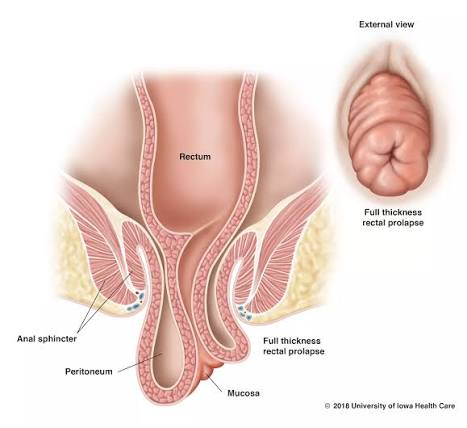
Understanding Rectal Prolapse
Rectal prolapse can occur when the supporting muscles and tissues around the rectum become weakened. It may be associated with chronic constipation, repeated straining during bowel movements, ageing or other conditions that affect the pelvic floor and rectal support.
Rectal prolapse can vary in severity. In some cases, the rectum may prolapse only during bowel movements and return on its own, while in more advanced cases it may remain outside the anus and require medical or surgical treatment.
Common symptoms may include:
- A bulge or tissue coming out through the anus
- A feeling of pressure or fullness in the rectum
- Difficulty passing stool or incomplete bowel movements
- Constipation or straining during bowel movements
- Mucus or discharge from the anus
- Rectal bleeding or irritation
- Discomfort or pain around the anus
Rectal Prolapse Treatment Options
Treatment depends on the severity of the prolapse, your symptoms, overall health and whether the rectum can be returned to its normal position. A specialist evaluation is important before deciding on treatment.
Dietary & Lifestyle Changes
Increasing dietary fibre, drinking adequate fluids and avoiding excessive straining can help manage constipation and reduce pressure during bowel movements.
Pelvic Floor Management
In selected patients, pelvic floor exercises and other supportive measures may help improve bowel function and strengthen the muscles supporting the rectum.
Surgical Treatment
Surgery is commonly recommended for symptomatic rectal prolapse, particularly when the prolapse is persistent or affects daily activities. The appropriate procedure depends on the patient's condition and individual needs.
Personalised Treatment
A colorectal specialist will assess the extent of prolapse and associated bowel symptoms to recommend the most appropriate treatment approach and provide guidance throughout recovery.
When Should You See a Doctor?
If you notice tissue coming out of the anus, persistent rectal discomfort, bleeding, difficulty passing stool or changes in bowel habits, consult a qualified specialist. Early assessment can help determine the cause and appropriate treatment.
If the prolapsed tissue cannot be pushed back inside, becomes very painful, swollen or changes colour, seek urgent medical attention.
Why Choose Specialist Rectal Prolapse Treatment?
- Detailed evaluation of your symptoms
- Assessment of the extent and type of prolapse
- Personalised treatment planning
- Evaluation of associated bowel problems
- Appropriate surgical treatment options
- Post-treatment recovery and follow-up guidance
Need Help With Rectal Prolapse?
Don't ignore a bulge, discomfort or difficulty with bowel movements.
Speak with our specialist team for a proper evaluation and personalised treatment plan.
Need help with rectal prolapse?
Take the first step toward
better comfort and care.
Book Consultation
Perianal Abscess Treatment
A perianal abscess is a painful collection of pus that develops in the tissues around the anus. It usually occurs because of an infection in one of the small glands around the anal canal and may cause pain, swelling, redness, tenderness and sometimes fever. Prompt medical evaluation and treatment are important to prevent the infection from worsening.
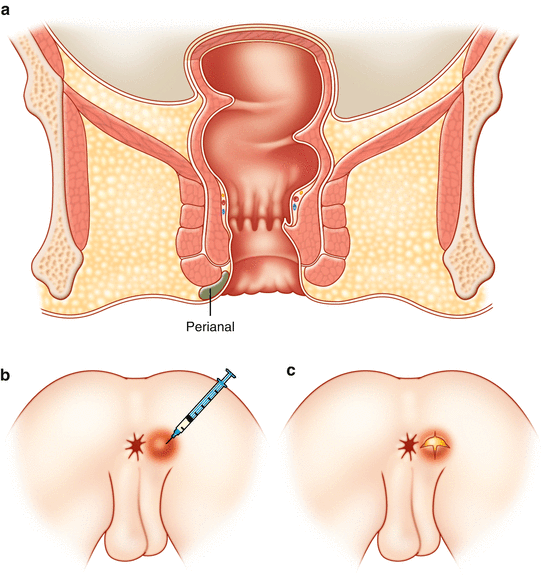
Understanding Perianal Abscess
A perianal abscess develops when an anal gland becomes blocked and infected, leading to a collection of pus near the anus. The area may become swollen, red and extremely tender. Some abscesses can develop deeper around the anal canal or rectum and may require specialist assessment.
A perianal abscess generally does not heal properly with medicines alone. Drainage of the abscess is often required to remove the collection of pus and control the infection.
Common symptoms may include:
- Severe or throbbing pain around the anus
- A painful lump or swelling near the anal opening
- Redness and tenderness around the affected area
- Pus or discharge from the swelling
- Fever or chills
- Pain during bowel movements
- Difficulty sitting or walking comfortably
Perianal Abscess Treatment Options
Treatment depends on the size, location and severity of the abscess. A specialist examination helps determine the safest and most appropriate treatment.
Abscess Drainage
The main treatment for most perianal abscesses is drainage of the pus. This may be performed under appropriate local or general anaesthesia depending on the size and location of the abscess.
Medicines & Supportive Care
Medicines may be prescribed when appropriate to manage pain or infection. Keeping the area clean and following proper wound-care instructions can support recovery after drainage.
Treatment of Associated Fistula
In some patients, an abscess may be associated with an anal fistula. After the infection settles, further evaluation may be required to determine whether additional treatment is needed.
Specialist Treatment
Larger, deeper or recurrent abscesses may require specialist colorectal or surgical care. The treatment approach is selected according to the location and complexity of the infection.
When Should You See a Doctor?
If you develop severe pain, swelling, redness, a painful lump or pus around the anus, consult a qualified specialist promptly. Fever or worsening pain may indicate an active infection that requires urgent assessment and treatment.
Do not attempt to squeeze, puncture or drain an abscess yourself, as this can worsen the infection and may lead to complications.
Why Choose Specialist Perianal Abscess Treatment?
- Detailed evaluation of the affected area
- Assessment of the size and location of the abscess
- Prompt and appropriate drainage when required
- Evaluation for an associated anal fistula
- Personalised treatment and wound-care guidance
- Follow-up care to monitor healing and recovery
Need Help With Perianal Abscess?
Don't ignore severe pain, swelling or a painful lump around the anus.
Speak with our specialist team for prompt evaluation and appropriate treatment.
Need help with perianal abscess?
Take the first step toward
better comfort and care.
Book Consultation
Constipation Treatment
Constipation is a common digestive problem in which bowel movements become less frequent or stools become hard, dry and difficult to pass. It may cause straining, abdominal discomfort, bloating or a feeling of incomplete bowel emptying. Identifying the underlying cause is important for effective treatment.
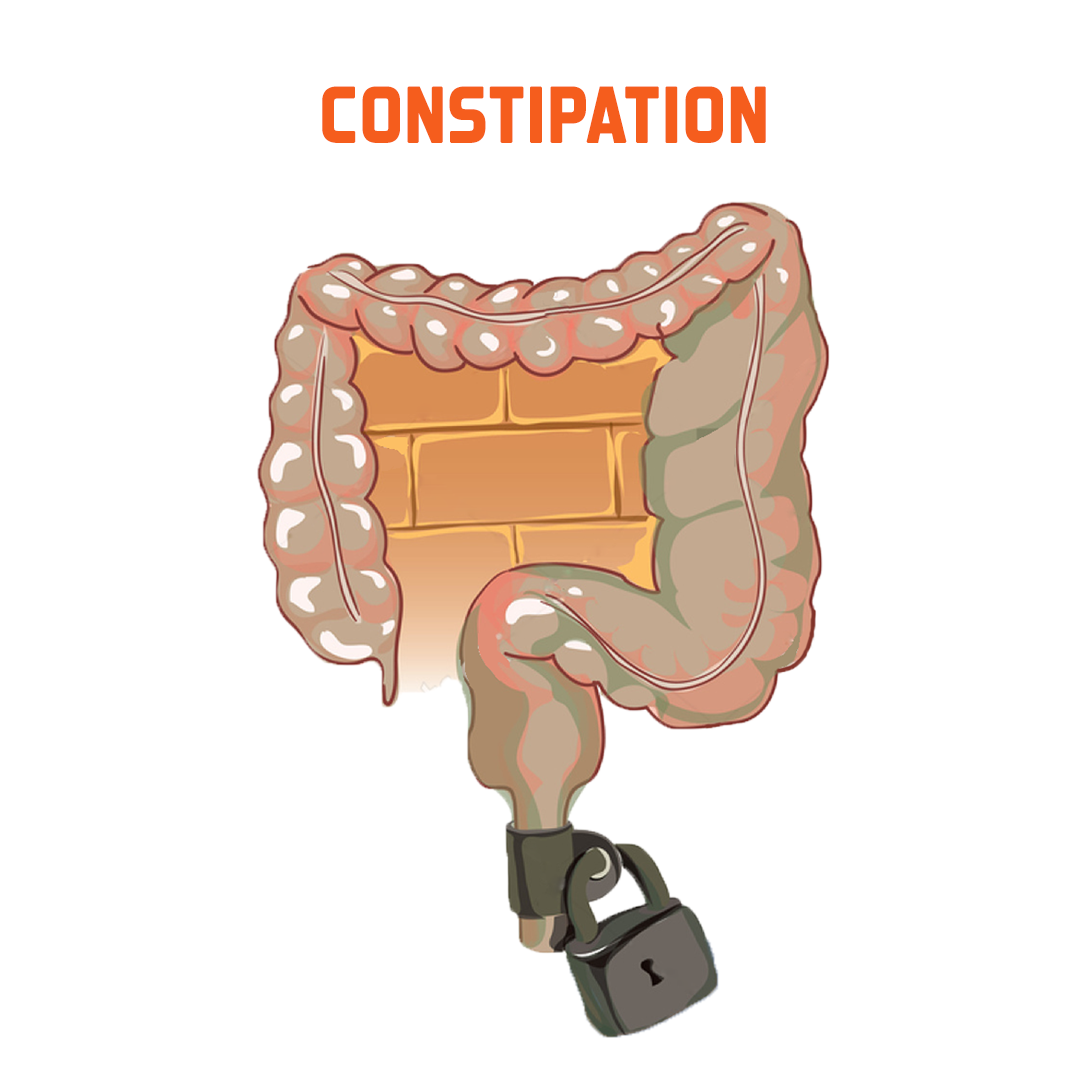
Understanding Constipation
Constipation can occur due to a low-fibre diet, inadequate fluid intake, lack of physical activity, changes in daily routine or repeatedly ignoring the urge to have a bowel movement. Certain medicines and underlying medical conditions can also contribute to constipation.
Occasional constipation can often improve with dietary and lifestyle changes. However, persistent or recurrent constipation may require medical evaluation to identify the underlying cause and prevent complications.
Common symptoms may include:
- Fewer bowel movements than usual
- Hard or dry stools
- Difficulty or straining while passing stool
- A feeling of incomplete bowel emptying
- Abdominal discomfort or bloating
- Feeling of blockage during bowel movements
- Loss of appetite in some cases
Constipation Treatment Options
Treatment depends on the cause and severity of constipation. A specialist may recommend dietary changes, lifestyle modifications, medicines or further evaluation when required.
Dietary & Lifestyle Changes
Increasing fibre-rich foods, drinking adequate fluids and maintaining regular physical activity can help improve bowel movements and make stools easier to pass.
Bowel Habits
Establishing a regular toilet routine, responding to the urge to pass stool and avoiding excessive straining can support healthy bowel habits.
Medicines & Laxatives
When lifestyle measures are not sufficient, a doctor may recommend an appropriate stool softener, fibre supplement or laxative depending on the individual's symptoms and needs.
Specialist Evaluation
Persistent or recurrent constipation may require specialist evaluation to identify contributing factors and determine whether additional tests or treatment are needed.
When Should You See a Doctor?
Consult a qualified doctor if constipation is persistent, keeps returning or does not improve with dietary and lifestyle changes. Medical evaluation is especially important if constipation is accompanied by rectal bleeding, unexplained weight loss, severe abdominal pain, vomiting or significant changes in bowel habits.
Early evaluation can help identify the underlying cause and reduce the risk of complications such as haemorrhoids or anal fissures.
Why Choose Specialist Constipation Treatment?
- Detailed evaluation of your bowel symptoms
- Identification of possible underlying causes
- Personalised dietary and lifestyle guidance
- Appropriate medical treatment when required
- Evaluation of associated anorectal conditions
- Follow-up care to monitor improvement
Need Help With Constipation?
Don't let persistent constipation affect your comfort and daily routine.
Speak with our specialist team for proper evaluation and a personalised treatment plan.
Need help with constipation?
Take the first step toward
better comfort and care.
Book Consultation