Laparoscopic Uterus Surgery
Laparoscopic uterus surgery is a minimally invasive surgical approach used to treat various conditions affecting the uterus. It is performed through small incisions in the abdomen using a specialised camera and surgical instruments. Depending on the condition, laparoscopic surgery may help reduce surgical discomfort, hospital stay and recovery time compared with traditional open surgery.
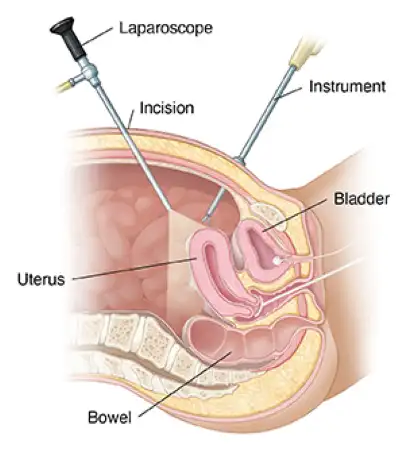
Understanding Laparoscopic Uterus Surgery
Laparoscopic surgery involves making a few small openings in the abdomen through which a camera and specialised instruments are inserted. The surgeon uses the camera to view the pelvic organs and performs the required procedure with precision.
Depending on the patient's condition, laparoscopic surgery may be considered for conditions such as uterine fibroids, abnormal uterine bleeding, endometriosis, certain ovarian or pelvic conditions, or other problems requiring surgical treatment.
Conditions That May Require Treatment
- Uterine fibroids
- Endometriosis
- Abnormal uterine bleeding
- Pelvic pain associated with certain uterine conditions
- Uterine or pelvic masses requiring surgical evaluation
- Other conditions requiring removal or treatment of the uterus
Laparoscopic Treatment Options
The type of laparoscopic surgery depends on the underlying condition, symptoms, age, reproductive plans and overall health. Your gynaecologist will recommend the most appropriate procedure after a detailed evaluation.
Laparoscopic Myomectomy
Laparoscopic myomectomy may be performed to remove selected uterine fibroids while preserving the uterus. It may be considered for women who wish to retain their uterus, depending on the size, number and location of the fibroids.
Laparoscopic Hysterectomy
A laparoscopic hysterectomy involves removing the uterus through minimally invasive techniques. It may be recommended for certain conditions when other treatments are not suitable or have not provided adequate relief.
Minimally Invasive Approach
Laparoscopic surgery uses small abdominal incisions and a camera-assisted approach. Depending on the procedure and individual circumstances, this may result in smaller scars and a potentially shorter recovery compared with open surgery.
Recovery & Follow-Up
Recovery varies depending on the type of procedure performed and the patient's overall health. Your doctor will provide guidance regarding wound care, physical activity, medication and follow-up appointments.
When Should You See a Doctor?
Consult a qualified gynaecologist if you experience persistent pelvic pain, heavy or abnormal menstrual bleeding, symptoms associated with fibroids or endometriosis, or other concerns related to your uterus.
A specialist evaluation can help identify the underlying condition and determine whether laparoscopic surgery or another treatment option is appropriate.
Why Choose Specialist Laparoscopic Uterus Treatment?
- Detailed evaluation of your symptoms and condition
- Appropriate imaging and diagnostic assessment
- Personalised treatment planning
- Minimally invasive surgical options when appropriate
- Professional guidance before and after surgery
- Follow-up care during recovery
Need Help With Uterus Treatment?
Don't ignore persistent pelvic pain, abnormal bleeding or other concerning symptoms.
Speak with our gynaecology team for proper evaluation and personalised treatment advice.
Need help with uterus treatment?
Take the first step toward
better gynaecological health and care.
Book Consultation
Neuralgia Treatment
Neuralgia is a type of nerve pain that can cause sharp, burning, shooting or electric-shock-like sensations along the affected nerve. It may occur due to nerve irritation, compression, injury or certain underlying medical conditions. Proper evaluation is important to identify the cause and choose the most suitable treatment.
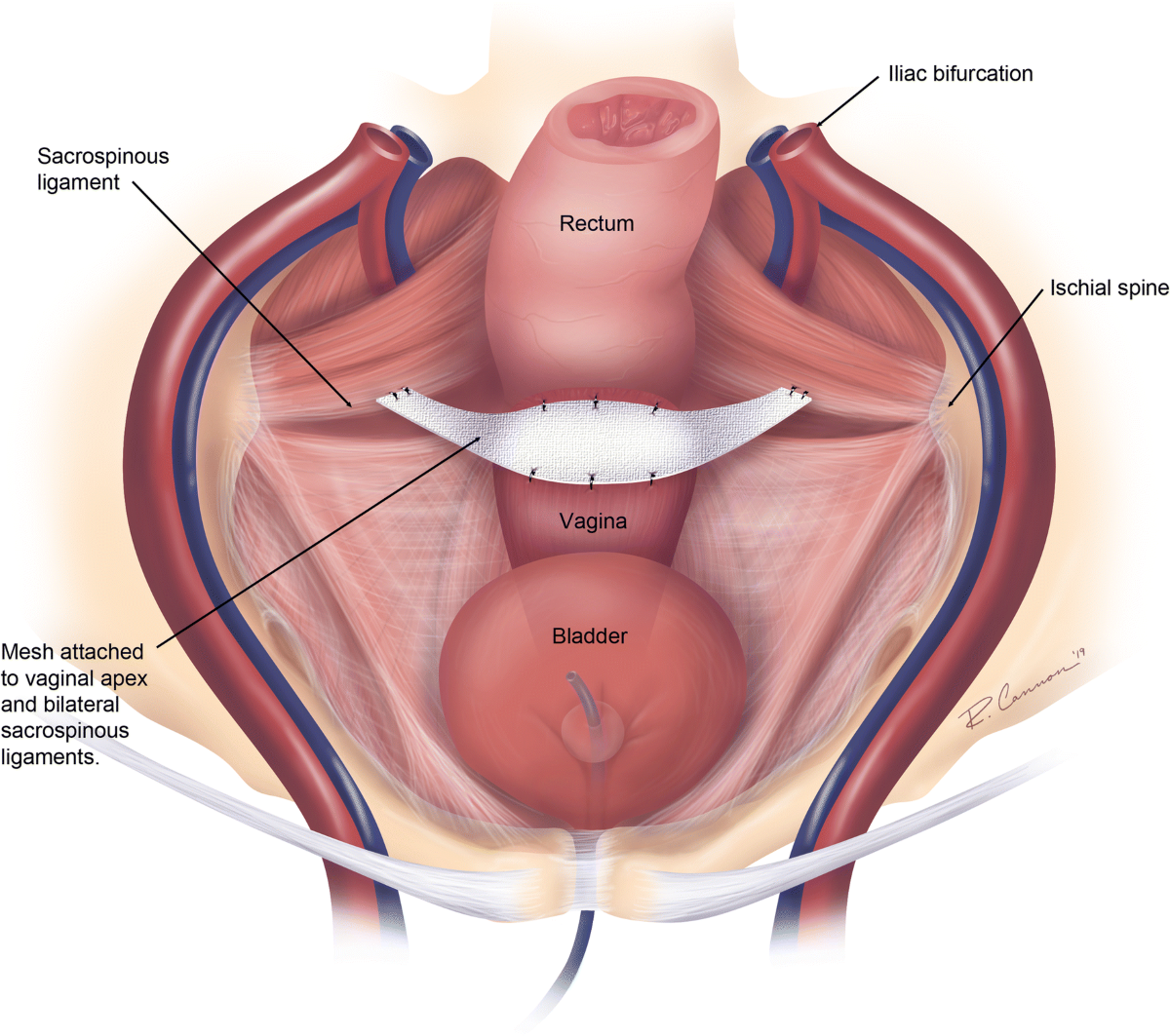
Understanding Neuralgia
Neuralgia occurs when a nerve becomes irritated, damaged or compressed, resulting in abnormal pain signals. The pain may be intermittent or persistent and can affect different parts of the body depending on the nerve involved.
Identifying the underlying cause of nerve pain is important because treatment depends on the type, location and severity of the symptoms.
Common symptoms may include:
- Sharp or shooting nerve pain
- Burning or electric-shock-like sensations
- Increased sensitivity to touch
- Tingling or numbness in the affected area
- Pain that occurs suddenly or in episodes
- Persistent discomfort along the affected nerve
- Pain triggered by movement or light touch in some cases
Neuralgia Treatment Options
Treatment depends on the underlying cause, location and severity of nerve pain. A specialist may recommend medicines, physical measures, treatment of the underlying condition or other appropriate interventions.
Medical Treatment
Depending on the type of nerve pain, a doctor may prescribe medicines specifically used to manage nerve-related pain and reduce abnormal nerve activity.
Treatment of Underlying Cause
If nerve pain is related to nerve compression, injury or another medical condition, treating the underlying cause may help reduce symptoms and improve nerve function.
Physical & Supportive Care
Depending on the affected nerve and the underlying condition, physical therapy, activity modification and other supportive measures may be recommended as part of the treatment plan.
Specialist Treatment
Persistent or severe nerve pain may require specialist evaluation. Additional procedures or targeted treatments may be considered when symptoms do not improve with conventional management.
When Should You See a Doctor?
Consult a qualified specialist if you experience persistent, severe or recurring nerve pain, unexplained numbness, tingling or weakness. Early evaluation can help identify the underlying cause and prevent symptoms from affecting your daily activities.
Sudden weakness, loss of sensation or other rapidly developing neurological symptoms require prompt medical evaluation.
Why Choose Specialist Neuralgia Treatment?
- Detailed evaluation of your symptoms
- Identification of the possible underlying cause
- Assessment of nerve-related symptoms
- Personalised treatment planning
- Medical and supportive treatment options
- Follow-up care to monitor improvement
Need Help With Neuralgia?
Don't let persistent nerve pain affect your daily life and comfort.
Speak with our specialist team for proper evaluation and personalised treatment advice.
Need help with neuralgia?
Take the first step toward
better comfort and care.
Book Consultation
Polyp Removal Treatment
Polyp removal, also known as polypectomy, is a procedure used to remove abnormal tissue growths called polyps. Polyps can develop in different parts of the body, including the colon, rectum, uterus and other organs. The treatment approach depends on the location, size and type of polyp.
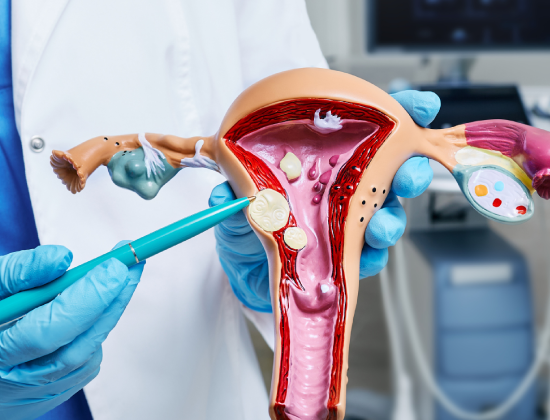
Understanding Polyps
Polyps are abnormal growths that develop from the lining of an organ. Many polyps are harmless, but some types can increase the risk of developing cancer over time. For this reason, certain polyps may need to be removed and examined by a specialist.
The symptoms and treatment of polyps vary depending on where they develop. Some polyps may not cause any noticeable symptoms and are discovered during routine examinations or screening tests.
Common symptoms may include:
- Bleeding from the affected area
- Changes in bowel habits in case of colorectal polyps
- Abdominal discomfort or pain
- Changes in menstrual bleeding in some uterine polyps
- Mucus discharge in certain cases
- Polyps may also occur without noticeable symptoms
Polyp Removal Treatment Options
Treatment depends on the location, size, number and characteristics of the polyps. Your specialist will recommend the most appropriate procedure after proper evaluation.
Diagnostic Evaluation
Depending on the location of the polyp, the doctor may recommend imaging, endoscopy, colonoscopy or other diagnostic tests to identify the size, number and location of the growth.
Endoscopic Polyp Removal
Many gastrointestinal polyps can be removed during an endoscopic procedure such as colonoscopy. Special instruments are used to safely remove the polyp, which may then be sent for laboratory examination.
Surgical Polyp Removal
Larger, complex or difficult-to-remove polyps may require a surgical procedure. The appropriate approach depends on the size, location and characteristics of the polyp.
Pathology & Follow-Up
Removed polyps may be examined by a pathologist to determine their type and characteristics. Follow-up examinations may be recommended based on the results and individual risk factors.
When Should You See a Doctor?
Consult a qualified specialist if you experience unexplained bleeding, persistent changes in bowel habits, abdominal discomfort or other symptoms that may be related to polyps.
Regular screening and timely evaluation can help detect certain polyps early and allow appropriate treatment when required.
Why Choose Specialist Polyp Removal Treatment?
- Detailed evaluation of the polyp and associated symptoms
- Assessment of size, location and characteristics
- Personalised treatment planning
- Appropriate minimally invasive or surgical removal options
- Laboratory examination of removed tissue when required
- Follow-up and screening guidance
Need Help With Polyp Treatment?
Don't ignore unexplained bleeding or persistent changes in your symptoms.
Speak with our specialist team for proper evaluation and personalised treatment advice.
Need help with polyp removal?
Take the first step toward
better health and care.
Book Consultation
Fibroid Treatment
Uterine fibroids are non-cancerous growths that develop in or around the uterus. They are common and may cause heavy or prolonged menstrual bleeding, pelvic pressure, pain, frequent urination or other symptoms. The treatment depends on the size, number and location of the fibroids, as well as your symptoms and personal health needs.
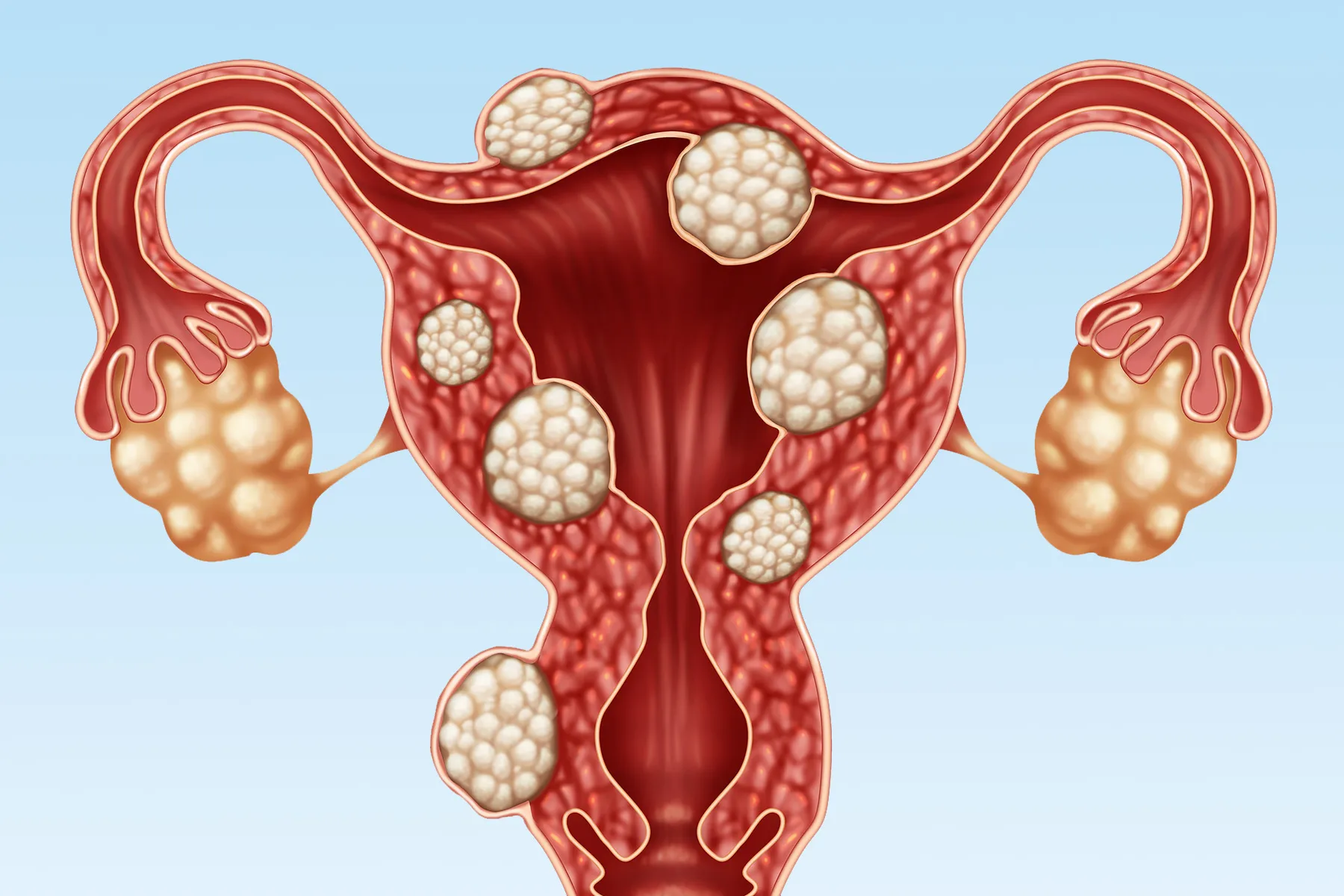
Understanding Fibroids
Fibroids are growths that develop from the muscle and connective tissue of the uterus. Some women may have fibroids without experiencing any symptoms, while others may experience significant bleeding, pelvic discomfort or pressure.
Fibroids can vary in size and may occur as a single growth or multiple growths. A gynaecologist can evaluate the fibroids using appropriate examination and imaging and recommend treatment based on your individual condition.
Common symptoms may include:
- Heavy or prolonged menstrual bleeding
- Painful or uncomfortable periods
- Pelvic pain or pressure
- A feeling of fullness or heaviness in the lower abdomen
- Frequent urination or pressure on the bladder
- Constipation or pressure on the bowel
- Pain during sexual intercourse
- Difficulty conceiving in some cases
Fibroid Treatment Options
Treatment depends on the size, number and location of the fibroids, the severity of symptoms, age and reproductive plans. Some fibroids may only require monitoring, while others may require medical or surgical treatment.
Observation & Monitoring
Fibroids that are small and do not cause significant symptoms may be monitored through regular check-ups and imaging. Treatment may not be necessary unless symptoms develop or the fibroids change.
Medicines & Medical Treatment
Depending on the symptoms, medicines may be recommended to help control heavy menstrual bleeding, pain or other fibroid-related symptoms. Treatment is selected according to individual needs.
Laparoscopic Myomectomy
Laparoscopic myomectomy is a minimally invasive procedure used to remove selected fibroids while preserving the uterus. It may be considered for women who wish to retain their uterus, depending on the size and location of the fibroids.
Hysterectomy
Hysterectomy involves removal of the uterus and may be recommended for women with severe symptoms or large or multiple fibroids when other treatment options are not suitable.
When Should You See a Doctor?
Consult a qualified gynaecologist if you experience very heavy menstrual bleeding, persistent pelvic pain or pressure, frequent urination, abdominal swelling or other symptoms that may be associated with fibroids.
Medical evaluation is especially important when heavy bleeding is affecting your daily activities or causing symptoms such as tiredness or weakness.
Why Choose Specialist Fibroid Treatment?
- Detailed evaluation of your symptoms
- Assessment of fibroid size, number and location
- Appropriate ultrasound or imaging evaluation
- Personalised treatment planning
- Medical and minimally invasive treatment options
- Fertility-conscious treatment planning when appropriate
- Follow-up care to monitor recovery and symptoms
Need Help With Fibroids?
Don't let heavy bleeding, pelvic pain or pressure affect your daily life.
Speak with our gynaecology team for proper evaluation and personalised treatment advice.
Need help with fibroid treatment?
Take the first step toward
better gynaecological health and care.
Book Consultation
PCO (Polycystic Ovary) Treatment
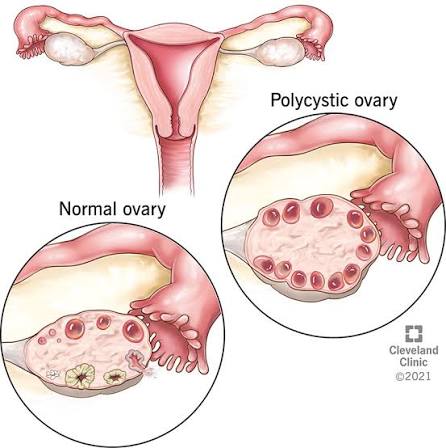
Polycystic Ovary Syndrome (PCOS), often referred to as PCO, is a common hormonal condition that can affect menstrual cycles, ovulation, skin, hair growth and fertility. Symptoms can vary from person to person, and treatment is tailored according to individual symptoms, health needs and reproductive goals.
Understanding PCO
PCO or PCOS is associated with hormonal imbalance and irregular ovulation. Some women may experience irregular or missed periods, increased facial or body hair, acne, weight changes or difficulty becoming pregnant. Not everyone with PCOS will have the same symptoms.
Early evaluation and appropriate management can help control symptoms, support regular menstrual cycles and address fertility concerns when required.
Common symptoms may include:
- Irregular or missed menstrual periods
- Difficulty with ovulation
- Difficulty conceiving in some cases
- Increased facial or body hair
- Acne or oily skin
- Hair thinning or hair loss
- Weight gain or difficulty managing weight
- Darkened skin patches in some cases
PCO Treatment Options
Treatment depends on your symptoms, hormonal profile, metabolic health and reproductive goals. A gynaecologist may recommend lifestyle changes, medicines or fertility-focused treatment when required.
Lifestyle & Weight Management
A balanced diet, regular physical activity, adequate sleep and maintaining a healthy weight can support hormonal and metabolic health and may help improve menstrual regularity in some women.
Medicines & Hormonal Management
Depending on individual symptoms, a doctor may recommend medicines to help regulate menstrual cycles, manage acne or excess hair, or address other hormonal and metabolic concerns.
Fertility Treatment
For women experiencing difficulty conceiving due to irregular ovulation, a specialist may recommend appropriate fertility treatment to support ovulation and improve the chances of pregnancy.
Regular Monitoring
Regular medical follow-up may help monitor menstrual cycles, hormonal health and associated metabolic factors. Your doctor can adjust the treatment plan according to your symptoms and response.
When Should You See a Doctor?
Consult a qualified gynaecologist if you have irregular or missed periods, excessive hair growth, persistent acne, unexplained weight changes or difficulty becoming pregnant.
Early evaluation can help identify hormonal or metabolic concerns and provide an appropriate treatment plan based on your individual needs.
Why Choose Specialist PCO Treatment?
- Detailed evaluation of menstrual and hormonal symptoms
- Assessment of ovulation and reproductive health
- Personalised lifestyle and treatment planning
- Management of menstrual irregularities
- Fertility-focused treatment when required
- Monitoring of hormonal and metabolic health
- Long-term follow-up and lifestyle guidance
Need Help With PCO?
Don't ignore irregular periods, hormonal symptoms or fertility concerns.
Speak with our gynaecology team for proper evaluation and personalised treatment advice.
Need help with PCO?
Take the first step toward
better hormonal and reproductive health.
Book Consultation
Ovarian Cyst Treatment
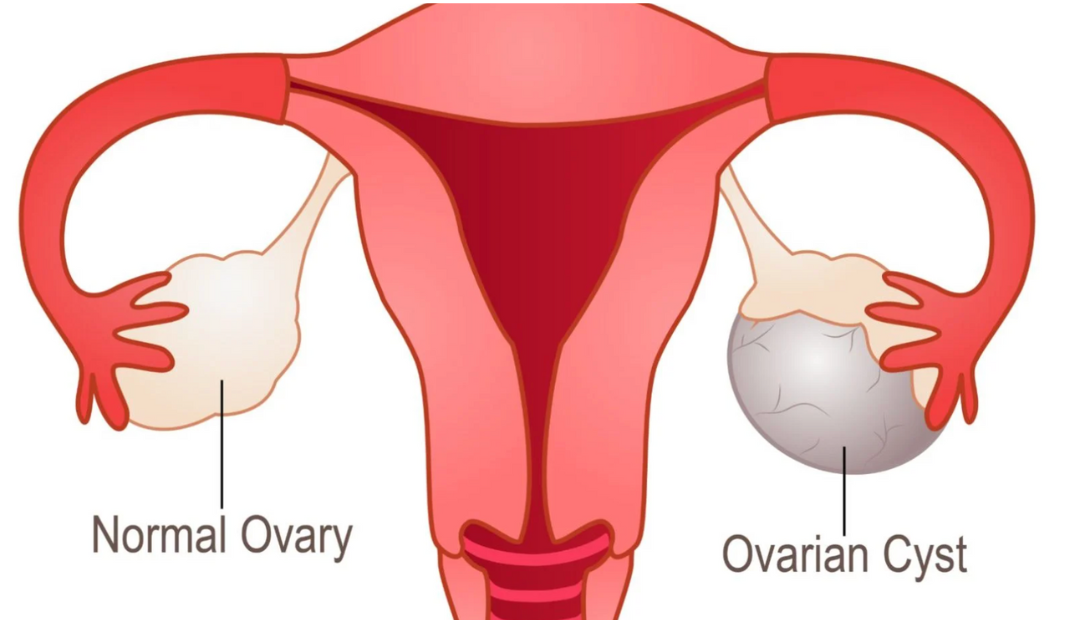
An ovarian cyst is a fluid-filled sac that develops in or on an ovary. Many ovarian cysts are harmless and may disappear on their own without treatment. However, some cysts can become large, cause pain or affect normal ovarian function and may require medical evaluation and treatment.
Understanding Ovarian Cysts
Ovarian cysts are common and can develop at different stages of life. Some are related to the normal menstrual cycle, while others may develop due to hormonal changes or other ovarian conditions. The size, appearance and type of cyst help determine the appropriate management.
Many ovarian cysts do not cause symptoms and are discovered during a routine examination or ultrasound. Persistent, large or symptomatic cysts may require further evaluation by a gynaecologist.
Common symptoms may include:
- Lower abdominal or pelvic pain
- A feeling of pressure or heaviness in the pelvis
- Bloating or abdominal fullness
- Pain during sexual intercourse
- Changes in menstrual periods
- Frequent urination or bowel pressure in some cases
- Difficulty becoming pregnant in some cases
- Some ovarian cysts may cause no symptoms
Ovarian Cyst Treatment Options
Treatment depends on the type, size and appearance of the cyst, symptoms, age and overall health. Your gynaecologist may recommend observation, medicines or surgical treatment when required.
Observation & Monitoring
Many simple ovarian cysts can be monitored with follow-up examinations and ultrasound. If the cyst is small and does not cause significant symptoms, it may disappear naturally over time.
Medicines & Symptom Management
Depending on the individual condition, medicines may be recommended to manage pain or address associated hormonal symptoms. Treatment is selected according to the type of cyst and the patient's needs.
Laparoscopic Cyst Removal
When surgery is required, laparoscopic ovarian cystectomy may be considered. This minimally invasive procedure uses small abdominal incisions to remove the cyst while preserving healthy ovarian tissue whenever appropriate.
Surgical Treatment
Larger, persistent, complex or symptomatic cysts may require surgical treatment. The surgical approach depends on the appearance and characteristics of the cyst and the patient's individual circumstances.
When Should You See a Doctor?
Consult a qualified gynaecologist if you experience persistent pelvic pain, abdominal swelling, changes in menstrual periods or other symptoms that may be related to an ovarian cyst.
Sudden severe pelvic pain, especially when accompanied by nausea, vomiting, dizziness or fainting, requires prompt medical evaluation because complications such as ovarian torsion or cyst rupture may need urgent treatment.
Why Choose Specialist Ovarian Cyst Treatment?
- Detailed evaluation of your symptoms
- Ultrasound and appropriate diagnostic assessment
- Assessment of cyst size and characteristics
- Personalised treatment planning
- Minimally invasive treatment options when appropriate
- Focus on preserving healthy ovarian tissue when suitable
- Follow-up care and monitoring
Need Help With Ovarian Cysts?
Don't ignore persistent pelvic pain or changes in your menstrual health.
Speak with our gynaecology team for proper evaluation and personalised treatment advice.
Need help with ovarian cysts?
Take the first step toward
better gynaecological health and care.
Book Consultation