PCNL (Kidney Stone) Treatment
Percutaneous Nephrolithotomy (PCNL) is a minimally invasive procedure used to remove large or complex kidney stones. It is generally considered when stones are too large to pass naturally or when other stone-treatment methods may not be suitable. The procedure allows the stone to be removed through a small opening made in the skin of the back.
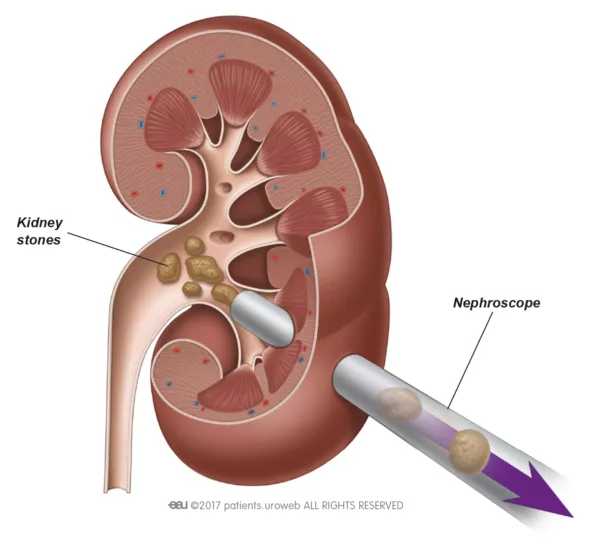
Understanding Kidney Stones
Kidney stones are hard deposits that form inside the kidneys when certain minerals and salts in the urine become concentrated and crystallise. Their size and location can vary, and larger stones may cause significant pain, blockage or urinary problems.
Depending on the size, location and type of kidney stone, treatment may range from observation and medicines to minimally invasive procedures. PCNL is commonly used for larger kidney stones that require active removal.
Common symptoms may include:
- Severe pain in the back, side or lower abdomen
- Pain that may spread towards the groin
- Blood in the urine
- Pain or burning while urinating
- Frequent or urgent need to urinate
- Nausea or vomiting
- Fever or chills when an infection is present
PCNL Treatment Options
Treatment for kidney stones depends on the stone's size, location, composition, symptoms and the patient's overall health. PCNL may be recommended for larger or complex stones after appropriate evaluation and imaging.
Pre-Procedure Evaluation
Before PCNL, the doctor may perform imaging and urine or blood tests to assess the size and location of the stone, kidney function and the presence of any urinary infection.
Percutaneous Nephrolithotomy
During PCNL, a small access tract is created through the skin into the kidney. Special instruments are then used to break the stone into smaller pieces and remove them from the kidney.
Minimally Invasive Approach
PCNL uses a small access point rather than a large surgical incision. The approach may help remove larger stones while reducing the need for open surgery.
Recovery & Follow-Up
After the procedure, patients are monitored for recovery and any remaining stone fragments. Follow-up imaging and dietary or lifestyle advice may be recommended to help reduce the risk of future kidney stones.
When Should You See a Doctor?
Consult a qualified urologist if you experience severe or recurring kidney-stone pain, blood in the urine, difficulty passing urine or repeated urinary symptoms. Prompt medical attention is particularly important when kidney-stone symptoms are accompanied by fever or chills.
A specialist can evaluate the stone using appropriate imaging and recommend the most suitable treatment based on its size, location and complexity.
Why Choose Specialist PCNL Treatment?
- Detailed evaluation of kidney stone size and location
- Appropriate imaging and diagnostic assessment
- Personalised treatment planning
- Minimally invasive stone removal
- Post-procedure monitoring and follow-up
- Guidance to help prevent future kidney stones
Need Help With Kidney Stones?
Don't ignore severe or recurring kidney-stone pain or urinary symptoms.
Speak with our urology team for proper evaluation and personalised treatment advice.
Need help with kidney stones?
Take the first step toward
better urinary health and care.
Book Consultation
URS (Ureteric Stone) Treatment
Ureteroscopy (URS) is a minimally invasive procedure used to diagnose and treat stones located in the ureter or kidney. During the procedure, a thin specialised instrument called a ureteroscope is passed through the natural urinary passage to reach the stone. The stone can then be removed or broken into smaller pieces for removal.
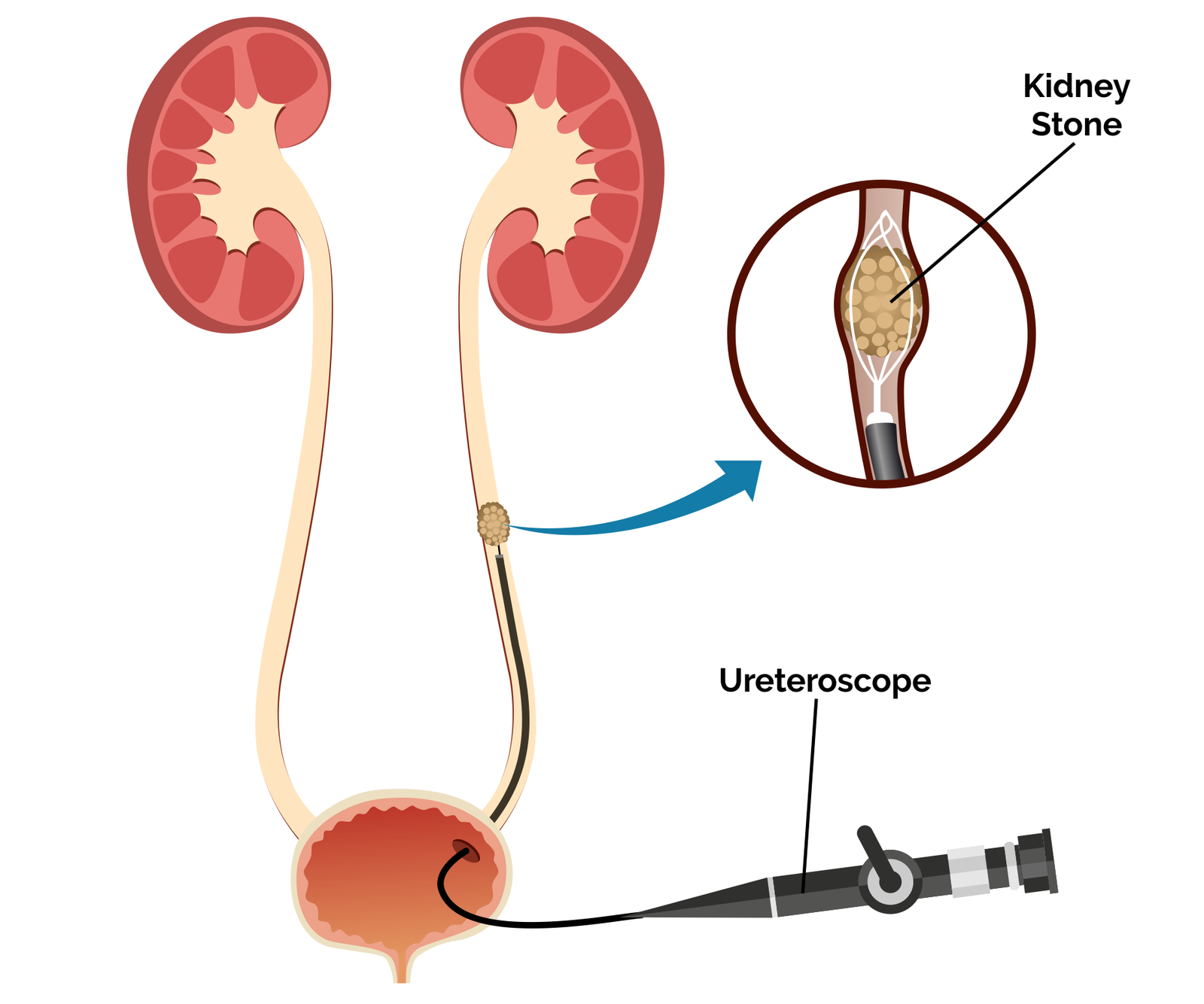
Understanding Ureteric Stones
Ureteric stones are hard mineral deposits that move from the kidney into the ureter, the tube that carries urine from the kidney to the bladder. When a stone becomes lodged in the ureter, it can block the flow of urine and cause severe pain, urinary symptoms or other complications.
The choice of treatment depends on the size and location of the stone, the degree of blockage, symptoms and the patient's overall health. URS may be recommended when active stone removal is required.
Common symptoms may include:
- Severe pain in the side, back or lower abdomen
- Pain that may move towards the groin
- Blood in the urine
- Pain or burning while urinating
- Frequent or urgent need to urinate
- Nausea or vomiting
- Difficulty passing urine
- Fever or chills if an infection is present
URS Treatment Options
Treatment depends on the size and location of the ureteric stone and whether it is causing pain, obstruction or other complications. Your urologist will recommend the most appropriate approach after evaluation and imaging.
Pre-Procedure Evaluation
Before URS, the urologist may recommend imaging and urine or blood tests to determine the stone's size and location, assess kidney function and check for urinary infection.
Ureteroscopy (URS)
During URS, a thin ureteroscope is gently passed through the urinary passage and bladder into the ureter. The stone can be removed using specialised instruments or broken into smaller fragments using an appropriate energy source.
Stone Fragmentation & Removal
Depending on the size and location of the stone, the urologist may break it into smaller fragments and remove them or allow suitable small fragments to pass naturally.
Stent & Follow-Up Care
In some cases, a temporary ureteric stent may be placed to help urine drain from the kidney while the ureter heals. Follow-up care and imaging may be recommended to check the treatment result.
When Should You See a Doctor?
Consult a qualified urologist if you experience severe or recurring pain, blood in the urine, difficulty passing urine or persistent urinary symptoms. Kidney or ureteric stone symptoms accompanied by fever or chills require prompt medical attention because they may indicate an infection.
A specialist can evaluate the stone and recommend the most suitable treatment based on its size, location and effect on the urinary system.
Why Choose Specialist URS Treatment?
- Detailed evaluation of the ureteric stone
- Assessment of stone size and location
- Personalised treatment planning
- Minimally invasive stone removal
- Appropriate stent and follow-up management
- Guidance to help reduce the risk of future stones
Need Help With Ureteric Stones?
Don't ignore severe pain, blood in the urine or persistent urinary symptoms.
Speak with our urology team for proper evaluation and personalised treatment advice.
Need help with ureteric stones?
Take the first step toward
better urinary health and care.
Book Consultation
Bladder Calculus (Bladder Stone) Treatment
Bladder calculus, also known as bladder stones, refers to hard mineral deposits that form inside the urinary bladder. They can develop when the bladder does not empty completely or when minerals in concentrated urine form crystals. Small stones may sometimes pass naturally, while larger or symptomatic stones may require medical treatment.
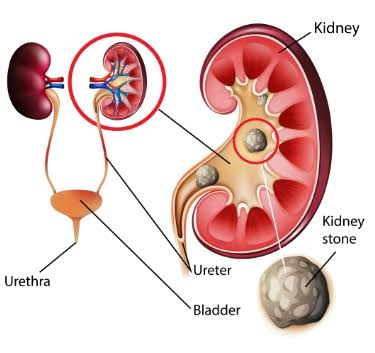
Understanding Bladder Calculus
Bladder stones can form when urine remains in the bladder for an extended period and becomes concentrated. Conditions such as an enlarged prostate, urinary blockage, bladder dysfunction or recurrent urinary infections may increase the risk of developing bladder stones.
The size and number of stones can vary. Some bladder stones may cause few symptoms, while larger stones can interfere with urine flow and cause pain, bleeding or difficulty urinating.
Common symptoms may include:
- Pain or discomfort in the lower abdomen
- Pain or burning while urinating
- Difficulty starting or maintaining urine flow
- Frequent or urgent need to urinate
- Blood in the urine
- Interrupted or weak urine stream
- Difficulty completely emptying the bladder
- Recurrent urinary tract infections
Bladder Calculus Treatment Options
Treatment depends on the size and location of the bladder stone, the symptoms it causes and the underlying reason for stone formation. Your urologist will recommend the most appropriate treatment after evaluation.
Evaluation & Diagnosis
The doctor may recommend urine tests, blood tests, ultrasound or other imaging studies to identify the bladder stone and evaluate bladder emptying and urinary function.
Cystolitholapaxy
Cystolitholapaxy is a minimally invasive procedure in which a small instrument is passed through the urinary passage into the bladder. The stone is broken into smaller fragments and the pieces are removed from the bladder.
Stone Removal
Depending on the size and characteristics of the stone, specialised instruments may be used to fragment and remove it. Larger or complex stones may require a different surgical approach.
Treating the Underlying Cause
Treating the reason behind bladder stone formation is important to reduce the risk of recurrence. Your urologist may evaluate conditions such as urinary obstruction, incomplete bladder emptying or recurrent infections.
When Should You See a Doctor?
Consult a qualified urologist if you experience difficulty urinating, blood in the urine, persistent urinary symptoms, lower abdominal pain or recurrent urinary infections. Early evaluation can help identify bladder stones and any underlying urinary problem.
If you are unable to pass urine, develop severe pain or have urinary symptoms accompanied by fever or chills, seek prompt medical attention.
Why Choose Specialist Bladder Stone Treatment?
- Detailed evaluation of bladder stone size and location
- Appropriate imaging and urinary assessment
- Personalised treatment planning
- Minimally invasive stone removal options
- Evaluation of underlying urinary problems
- Follow-up care to help reduce recurrence
Need Help With Bladder Stones?
Don't ignore difficulty urinating, blood in the urine or persistent bladder discomfort.
Speak with our urology team for proper evaluation and personalised treatment advice.
Need help with bladder stones?
Take the first step toward
better urinary health and care.
Book Consultation
Varicocele Treatment
A varicocele is an enlargement of the veins within the scrotum, similar to varicose veins that can occur in the legs. It commonly develops on the left side and may cause a dull ache, heaviness, swelling or a difference in testicle size. In some men, varicocele may also affect sperm production and fertility.
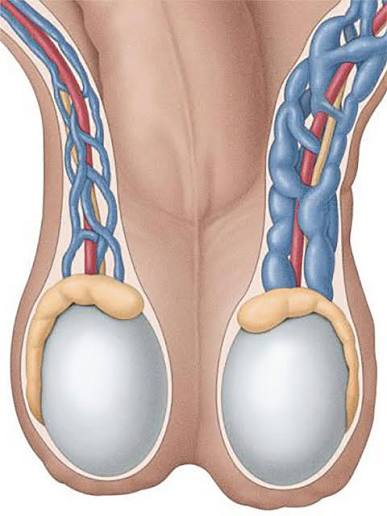
Understanding Varicocele
A varicocele develops when the valves in the veins that carry blood away from the testicle do not work properly, causing blood to pool and the veins to become enlarged. Some varicoceles cause no symptoms and may only be discovered during a routine examination.
Treatment may not be necessary in every case. However, medical evaluation may be recommended when a varicocele causes persistent discomfort, affects testicular growth or function, or is associated with fertility problems.
Common symptoms may include:
- Dull or aching pain in the scrotum
- A feeling of heaviness in the testicle or scrotum
- Swollen or enlarged veins in the scrotum
- Discomfort that may increase after standing or physical activity
- Difference in testicle size in some cases
- Problems with sperm production or fertility in some men
- Varicocele may also occur without noticeable symptoms
Varicocele Treatment Options
Treatment depends on the severity of the varicocele, symptoms, testicular health and whether there are fertility concerns. A urologist can recommend the most appropriate approach after examination and necessary tests.
Observation & Monitoring
Small varicoceles that do not cause significant symptoms may simply be monitored through regular examinations and, when required, ultrasound or other tests.
Pain Management
For mild discomfort, supportive measures and appropriate pain-relief medicines may be recommended by a doctor. Avoiding activities that worsen symptoms may also help.
Varicocelectomy
Varicocelectomy is a procedure in which the enlarged veins are identified and closed so that blood can flow through healthier veins. It may be considered when symptoms, testicular problems or fertility concerns are associated with the varicocele.
Microsurgical Treatment
Microsurgical varicocelectomy uses magnification to help the surgeon identify and treat the affected veins while preserving important structures such as arteries and lymphatic vessels.
When Should You See a Doctor?
Consult a qualified urologist if you notice swelling or enlarged veins in the scrotum, persistent testicular discomfort, a change in testicle size or concerns about fertility. Early evaluation can help determine whether treatment is required.
Sudden or severe testicular pain or swelling requires prompt medical evaluation because it can have causes that need urgent treatment.
Why Choose Specialist Varicocele Treatment?
- Detailed examination of the scrotum and testicles
- Assessment of varicocele size and severity
- Evaluation of testicular health when required
- Fertility and semen analysis when appropriate
- Personalised treatment planning
- Microsurgical and other appropriate treatment options
- Follow-up care after treatment
Need Help With Varicocele?
Don't ignore persistent testicular discomfort, swelling or concerns about fertility.
Speak with our urology team for proper evaluation and personalised treatment advice.
Need help with varicocele?
Take the first step toward
better urological health and care.
Book Consultation
Circumcision Treatment
Circumcision is a surgical procedure in which the foreskin covering the head of the penis is removed. It may be performed for medical reasons such as a tight foreskin, recurrent infections or other foreskin-related problems. In some cases, circumcision may also be chosen for personal, cultural or religious reasons.
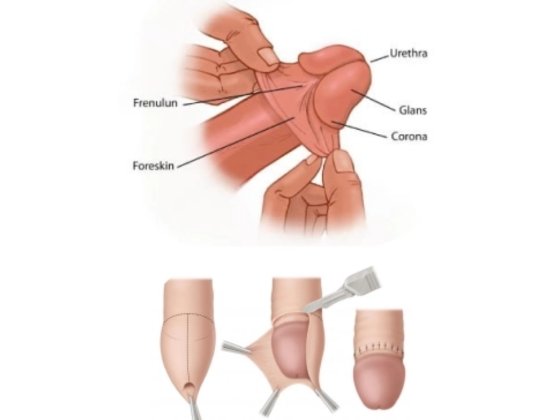
Understanding Circumcision
Circumcision is a commonly performed surgical procedure that removes the foreskin from the penis. For adults and older children, it may be recommended when medical conditions affecting the foreskin cause repeated discomfort, infections or difficulty with hygiene.
A urologist can assess the condition and discuss whether circumcision or another treatment option is appropriate based on the patient's symptoms, age and overall health.
Common reasons for circumcision may include:
- Tight or non-retractable foreskin (phimosis)
- Recurrent inflammation or infection of the foreskin
- Repeated infections around the head of the penis
- Pain or discomfort during sexual activity
- Difficulty maintaining proper hygiene
- Recurrent problems with the foreskin
- Personal, cultural or religious preferences
Circumcision Treatment Options
The appropriate approach depends on the reason for circumcision, the patient's age and individual health needs. A urologist will evaluate the condition and explain the available treatment options.
Pre-Procedure Evaluation
Before the procedure, the doctor will examine the foreskin and penis, discuss your symptoms and medical history, and explain the procedure, expected recovery and possible risks.
Surgical Circumcision
During circumcision, the foreskin is carefully removed using an appropriate surgical technique. The procedure is performed under suitable anaesthesia, and the remaining skin is closed with appropriate sutures.
Modern Surgical Techniques
Depending on the patient's condition and the surgeon's recommendation, different surgical techniques may be used to achieve safe and effective removal of the foreskin while preserving normal penile function.
Recovery & Follow-Up
After circumcision, patients receive instructions regarding wound care, hygiene, activity restrictions and follow-up. Recovery time varies depending on the individual and the surgical technique used.
When Should You See a Doctor?
Consult a qualified urologist if you experience difficulty retracting the foreskin, recurrent infections, pain, swelling, bleeding or problems with urination related to the foreskin.
A specialist can assess the condition and determine whether circumcision or an alternative treatment may be appropriate.
Why Choose Specialist Circumcision Treatment?
- Detailed evaluation of foreskin-related problems
- Assessment of the underlying condition
- Personalised treatment planning
- Appropriate surgical technique based on individual needs
- Professional guidance before and after the procedure
- Follow-up care during recovery
Need Help With Circumcision?
Don't ignore recurring infections, pain or difficulty with the foreskin.
Speak with our urology team for proper evaluation and personalised treatment advice.
Need help with circumcision?
Take the first step toward
better urological health and care.
Book Consultation
Hydrocele Treatment
A hydrocele is a collection of fluid around the testicle that can cause swelling in the scrotum. It is usually painless, although a large hydrocele may cause heaviness, discomfort or difficulty with daily activities. A proper urological evaluation helps determine the cause and the most suitable treatment.
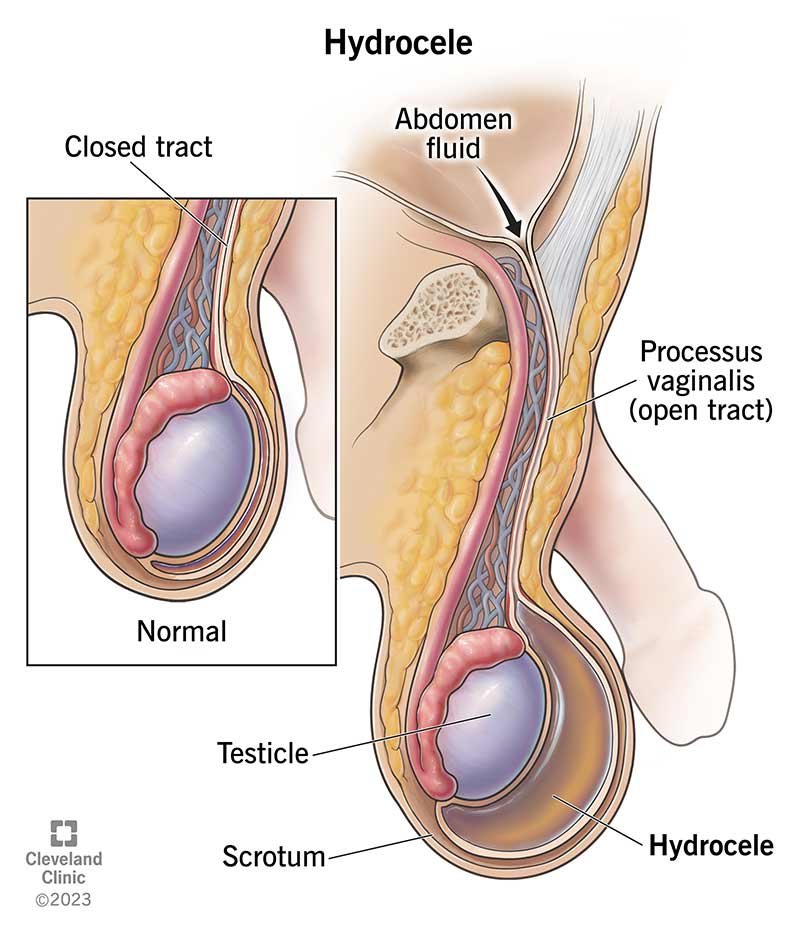
Understanding Hydrocele
A hydrocele develops when fluid collects in the thin layer surrounding the testicle. It can occur at different ages and may be present from birth or develop later in life. In adults, hydrocele may sometimes be associated with inflammation, injury, infection or other conditions affecting the scrotum.
Small hydroceles that do not cause symptoms may only require observation. However, persistent or large hydroceles may cause discomfort or swelling and may require treatment after evaluation by a urologist.
Common symptoms may include:
- Painless swelling of one or both sides of the scrotum
- A feeling of heaviness in the scrotum
- Discomfort or dragging sensation
- Swelling that may become more noticeable over time
- Difficulty with certain physical activities due to swelling
- Mild discomfort when the hydrocele becomes large
Hydrocele Treatment Options
Treatment depends on the size of the hydrocele, symptoms, age of the patient and the underlying cause. A urologist will evaluate the condition and recommend the most appropriate approach.
Observation & Monitoring
Small hydroceles that do not cause discomfort may be monitored through regular examinations. In some cases, no immediate treatment is required.
Hydrocelectomy
Hydrocelectomy is a surgical procedure used to treat a persistent or symptomatic hydrocele. During the procedure, the fluid is drained and the surrounding sac is treated to reduce the chance of the hydrocele returning.
Minimally Invasive Options
In selected cases, other treatment approaches may be considered based on the patient's age, medical condition and characteristics of the hydrocele. Your urologist will discuss the most suitable option.
Recovery & Follow-Up
After treatment, patients are provided with guidance regarding wound care, physical activity and recovery. Follow-up visits may be recommended to monitor healing and check for recurrence.
When Should You See a Doctor?
Consult a qualified urologist if you notice persistent or increasing swelling of the scrotum, discomfort, heaviness or a change in the size or appearance of the testicles.
Sudden or severe testicular pain or swelling requires prompt medical evaluation because it can be caused by conditions that need urgent treatment.
Why Choose Specialist Hydrocele Treatment?
- Detailed examination of the scrotum and testicles
- Assessment of the size and type of hydrocele
- Evaluation for possible underlying causes
- Personalised treatment planning
- Appropriate surgical treatment when required
- Post-treatment recovery and follow-up care
Need Help With Hydrocele?
Don't ignore persistent scrotal swelling or discomfort.
Speak with our urology team for proper evaluation and personalised treatment advice.
Need help with hydrocele?
Take the first step toward
better urological health and care.
Book Consultation